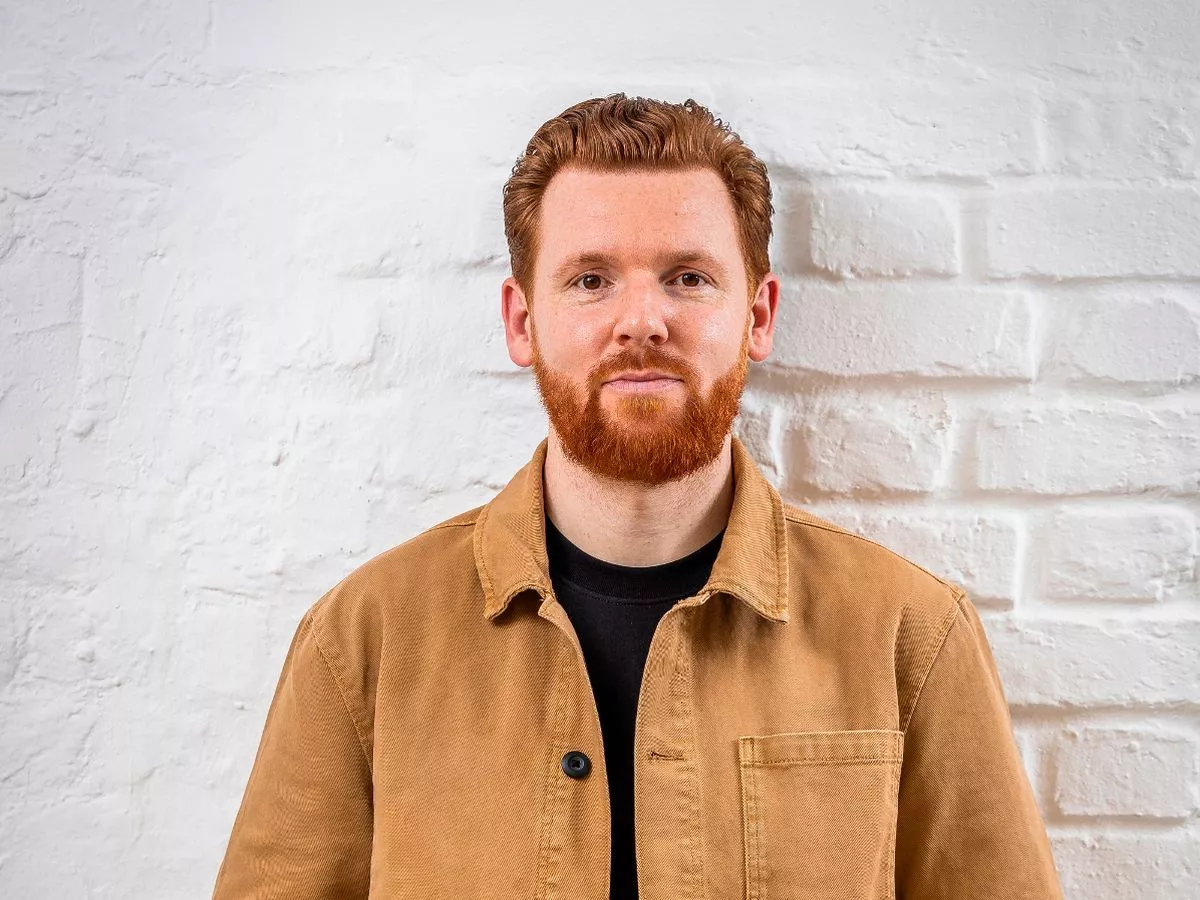

In the world of urban movement, where concrete becomes canvas and gravity turns into a creative partner, few figures have shaped the discipline as profoundly as pasha petkuns. Known for transforming raw athleticism into expressive motion, his journey reflects more than competition wins or viral clips. It tells a deeper story about discipline, imagination, and the evolving language of freerunning.
From abandoned structures to global stages, his rise mirrors the growth of parkour from a fringe practice into a respected movement culture. What sets his story apart is not just physical skill, but the philosophy that underpins every leap, landing, and line. This is a portrait of an athlete who treats motion as meaning and risk as responsibility.
Early Life and the Roots of Motion
Growing up in Latvia, a country not immediately associated with global extreme sports culture, demanded creativity and resilience. Limited facilities pushed young athletes toward improvisation, and the streets became training grounds. Winters were harsh, surfaces unpredictable, and safety often self-managed. These conditions quietly forged a mindset centered on awareness and control.
Before freerunning had formal structures or mainstream recognition, practice meant repetition without applause. Training sessions focused on balance, coordination, and mental clarity. Progress was slow, earned through patience rather than shortcuts. This early grounding instilled respect for fundamentals, a trait still visible in later performances.
Unlike traditional sports pathways, there were no clear role models nearby. Inspiration came from observing movement itself—how bodies adapt to space. That curiosity would later define a style recognized worldwide.
pasha petkuns and the Philosophy of Creative Control
At the core of pasha petkuns’s approach lies a belief that movement should communicate intention. Every action must have purpose, not just spectacle. In freerunning, this philosophy separates reckless motion from refined expression.
Rather than chasing constant escalation, he emphasizes precision. Landings are quiet, transitions fluid, and pauses intentional. This control allows complex sequences to feel effortless, even poetic. Viewers sense confidence without arrogance, intensity without chaos.
Another central idea is longevity. Training methods prioritize joint health, spatial awareness, and adaptability. This long-term vision counters the stereotype of extreme sports as short-lived careers. By valuing sustainability, he reshaped how younger athletes view progression.
Competitive Freerunning and Global Recognition
As freerunning gained organized competitions, a new challenge emerged: expressing creativity within structured rules. Many athletes struggled to balance originality with scoring systems. Success demanded more than physical ability; it required strategic thinking.
On international stages, performances stood out for clarity and flow. Judges and audiences alike responded to routines that felt complete rather than fragmented. Each run told a story, with a beginning, evolution, and resolution. This narrative quality distinguished him from peers.
Victories brought visibility, but recognition never overshadowed purpose. Instead of conforming to trends, performances often redefined them. In doing so, competition became a platform not just for winning, but for shaping the discipline’s future direction.
Training Discipline and Mental Preparation
Behind polished performances lies rigorous preparation. Training sessions blend strength work, mobility, and technical drills with visualization and rest. Mental rehearsal plays a critical role, reducing hesitation and enhancing decision-making mid-movement.
Risk assessment is constant. Before attempting new sequences, environments are studied in detail. Surface texture, spacing, and potential escape routes are all considered. This careful preparation minimizes danger while allowing creative freedom.
Equally important is recovery. Respecting physical limits prevents burnout and injury, reinforcing the philosophy that progress should be steady rather than explosive.
Influence on the Global Parkour Community
Beyond personal achievements, influence radiates through teaching, workshops, and shared knowledge. By engaging with practitioners worldwide, new standards of professionalism emerged. Movement culture shifted from imitation toward understanding principles.
Younger athletes often cite pasha petkuns as an example of balance between ambition and restraint. The message is clear: mastery comes from patience. Instead of rushing into advanced tricks, building foundations ensures freedom later.
This influence also helped legitimize freerunning in the eyes of sponsors and institutions. By demonstrating discipline and responsibility, the sport gained credibility without losing its rebellious spirit.
Artistic Expression Through Urban Space
One defining aspect of his style is how environments are interpreted artistically. Walls, rails, and rooftops are not obstacles but collaborators. Lines are chosen for rhythm as much as difficulty.
This perspective blurs boundaries between sport and art. Movements resemble choreography, shaped by surroundings rather than imposed upon them. Such interpretation invites broader audiences, including those unfamiliar with freerunning, to appreciate its aesthetic dimension.
By framing urban space as interactive rather than adversarial, this approach fosters respect for environments and communities.
Media Presence and Cultural Impact
As digital platforms expanded, freerunning found new audiences. Videos captured moments that felt both raw and refined. Unlike purely sensational content, these clips conveyed intention, inviting viewers to feel rather than just watch.
Media exposure also carried responsibility. Representing the discipline accurately meant discouraging unsafe imitation. Emphasis on preparation and respect accompanied performances, setting a tone for ethical representation.
Through thoughtful media use, the narrative shifted from thrill-seeking to disciplined artistry, broadening cultural acceptance.
Teaching and Knowledge Sharing
Workshops and mentorship became natural extensions of practice. Teaching focuses on fundamentals: landing mechanics, spatial awareness, and mental readiness. Students learn to listen to their bodies and environments.
Rather than prescribing fixed techniques, instruction encourages exploration. This empowers athletes to develop unique styles while maintaining safety. Such pedagogy strengthens community bonds and ensures continuity.
Sharing knowledge openly reflects a belief that freerunning thrives collectively, not competitively alone.
Legacy in Modern Movement Culture
Today, the impact of pasha petkuns extends beyond medals or viral moments. It lives in the way athletes train, think, and express themselves. Emphasis on control, creativity, and longevity has become a benchmark.
Modern freerunning increasingly values narrative flow over isolated tricks. This shift owes much to pioneers who demonstrated that restraint can be as powerful as risk. The discipline matured without losing its soul.
Future generations inherit not just techniques, but a mindset that honors both freedom and responsibility.
The Balance Between Innovation and Respect
Innovation drives progress, but respect sustains it. This balance defines a lasting career. New movements are introduced carefully, tested thoroughly, and refined patiently. Such discipline ensures innovation enhances rather than endangers the sport.
Respect extends to fellow athletes, environments, and audiences. By modeling ethical practice, leaders create space for freerunning to grow organically.
Conclusion
The story of pasha petkuns is ultimately about more than athletic excellence. It is about shaping a culture where movement carries meaning and risk is guided by wisdom. Through patience, creativity, and respect, he demonstrated that freerunning can be both daring and thoughtful.
As urban movement continues to evolve, this philosophy remains relevant. It reminds practitioners that true mastery lies not in defying gravity recklessly, but in understanding it deeply. In that understanding, freerunning becomes not just a sport, but a lifelong dialogue between body, mind, and space.