
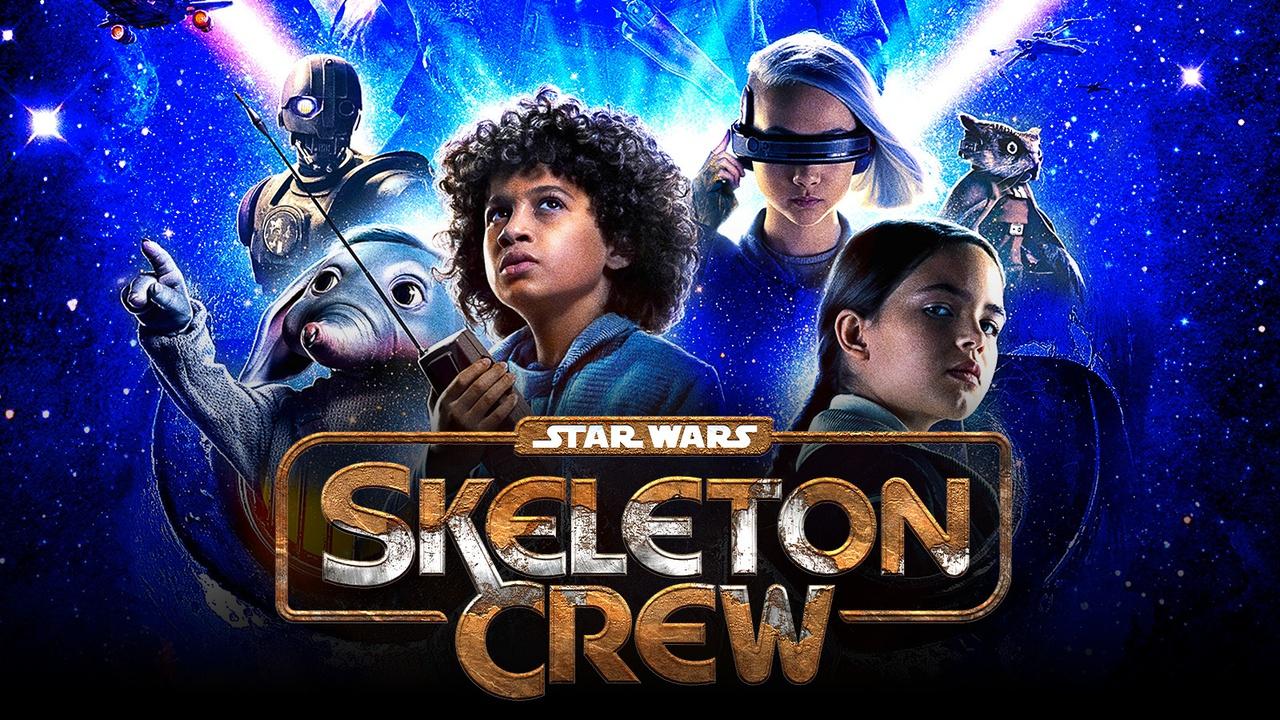
The Star Wars universe has always thrived on reinvention. From epic family sagas to political thrillers and intimate character studies, each new chapter reshapes how audiences understand the galaxy far, far away. Skeleton Crew Star Wars arrives as part of this evolving tradition, offering a story that feels both familiar and refreshingly unexpected. It draws on the wonder of early Star Wars while carving out its own identity, centered on youth, survival, and the emotional pull of being lost in a vast universe.
This series is not about legendary Jedi or galaxy-shaking empires alone. Instead, it explores what happens when ordinary lives are pulled into extraordinary circumstances. Through tone, setting, and character focus, it invites viewers to rediscover the sense of discovery that once defined the franchise’s earliest moments.
The Vision Behind Skeleton Crew Star Wars
At its heart, Skeleton Crew Star Wars is guided by a creative vision that blends classic adventure storytelling with modern emotional depth. The idea was never simply to add another chapter to the franchise, but to approach the galaxy from a new angle. By focusing on younger characters navigating an unfamiliar and often dangerous world, the series channels the spirit of coming-of-age tales while remaining firmly rooted in Star Wars mythology.
The creators wanted to recapture the feeling of wonder that comes from exploration. Instead of grand political conflicts dominating every scene, the narrative gives space to fear, curiosity, courage, and friendship. This approach allows the galaxy to feel enormous again, reminding viewers how small and vulnerable individuals can be when cut off from everything they know.
A Story of Being Lost and Finding Purpose
One of the strongest narrative themes in the series is displacement. The protagonists are separated from their home and must rely on instinct and trust to survive. This sense of being lost is not just physical but emotional. Each character grapples with uncertainty, questioning who they are without the safety of familiarity.
As the story unfolds, moments of danger are balanced with quiet reflection. The characters are forced to grow quickly, learning that bravery does not always mean fighting. Sometimes, it means listening, adapting, and choosing compassion even when fear would be easier.
Youthful Perspective in a Dangerous Galaxy
Unlike many Star Wars stories driven by seasoned warriors or powerful leaders, this series places young people at the center. Their perspective shifts the tone in subtle but powerful ways. The galaxy is no longer a chessboard of strategy but a place of awe and threat, where every new encounter could be a lesson or a disaster.
Through this lens, the series emphasizes innocence without naivety. The characters make mistakes, misunderstand intentions, and struggle with trust. These moments ground the story in realism, making their victories feel earned rather than predetermined.
Characters That Feel Human and Relatable
Strong characters are essential to any successful Star Wars story, and this series understands that deeply. The cast is designed to reflect a range of personalities, backgrounds, and emotional responses to crisis. Each individual brings something unique to the group dynamic, creating tension as well as solidarity.
Friendships are tested under pressure, and leadership emerges in unexpected ways. Some characters step forward naturally, while others resist responsibility before realizing its importance. These arcs unfold gradually, allowing viewers to connect with their internal struggles rather than just their external actions.
Mentorship and Moral Guidance
While the focus remains on the younger cast, adult figures play a crucial supporting role. Instead of dominating the narrative, they serve as guides, offering wisdom shaped by experience. Their presence reinforces one of Star Wars’ most enduring ideas: that knowledge and values are passed down through generations.
These relationships are not idealized. Mentors make mistakes, carry regrets, and sometimes fail to protect those they care about. This complexity adds emotional weight, reminding viewers that guidance is often imperfect but still meaningful.
A Fresh Take on Familiar Elements
Star Wars has an iconic visual and thematic language, and this series respects it while introducing subtle changes. Familiar technology, species, and environments appear, but often in quieter, more grounded contexts. Instead of massive battles dominating every episode, tension is built through atmosphere and uncertainty.
Planets feel lived-in rather than staged, with small details hinting at histories viewers are left to imagine. This restraint allows the world to breathe, making each setting feel like a real place rather than a backdrop for spectacle.
Tone and Atmosphere
The tone balances suspense with warmth. Dark moments are present, but they are countered by humor, curiosity, and hope. This balance is especially important given the youthful focus of the story. The series does not shy away from danger, yet it avoids unnecessary cynicism.
Music and sound design play a crucial role in shaping this atmosphere. Familiar musical motifs are reinterpreted, blending nostalgia with new emotional cues. Silence is also used effectively, letting certain scenes resonate without constant dialogue or action.
How Skeleton Crew Star Wars Fits Into the Larger Canon
Every new Star Wars project faces the challenge of fitting into an expansive and closely watched canon. This series approaches that challenge with care. It exists within the known timeline, acknowledging the broader state of the galaxy without becoming dependent on it.
References to larger events are subtle, designed to enrich the world rather than dominate the plot. Viewers familiar with the franchise will recognize connections, while newcomers can enjoy the story without feeling lost. This balance ensures accessibility without sacrificing depth.
Independence Without Isolation
The story stands on its own, yet it does not feel disconnected from the larger universe. Characters encounter remnants of past conflicts and the lingering effects of galactic upheaval. These elements serve as background texture, reminding viewers that history continues to shape the present.
By avoiding overreliance on major legacy characters, the series protects its sense of originality. It allows new faces to take center stage, reinforcing the idea that the galaxy is vast enough for countless untold stories.
Emotional Core and Thematic Depth
Beyond adventure and suspense, the series carries a strong emotional core. Themes of belonging, resilience, and moral choice run through every episode. The characters are not chasing glory or power. They are trying to return home, protect one another, and understand their place in a universe that feels indifferent to their struggles.
This focus gives the story a quiet power. Viewers are invited to reflect on their own experiences of uncertainty and growth. The galaxy becomes a metaphor for life itself, unpredictable and often overwhelming, yet filled with moments of connection and hope.
Fear, Courage, and Growth
Fear is portrayed as a natural response rather than a weakness. Characters feel afraid, hesitate, and doubt themselves. What defines them is not the absence of fear but the willingness to act despite it. Courage emerges in small decisions, not just dramatic confrontations.
As the story progresses, growth feels organic. Lessons are learned slowly, sometimes painfully. This realism strengthens the emotional payoff, making each step forward feel significant.
Visual Storytelling and Production Quality
The series benefits from a strong visual identity. Cinematography emphasizes scale without overwhelming the characters. Wide shots highlight isolation, while close-ups capture vulnerability. Lighting choices shift with mood, enhancing tension or comfort depending on the scene.
Practical effects are used alongside modern technology to create environments that feel tangible. Creatures, ships, and locations carry texture and weight, reinforcing the sense that this is a physical world with real consequences.
Costume and Design Choices
Costume design subtly reflects character development. As circumstances change, so do appearances, signaling growth and adaptation without explicit dialogue. These details reward attentive viewers and deepen immersion.
Design choices also echo the themes of survival and improvisation. Equipment looks worn and repurposed, reinforcing the idea that the characters are making do with limited resources.
Why This Story Matters Now
In a media landscape crowded with large-scale spectacles, this series stands out by embracing intimacy. It reminds audiences why Star Wars captured imaginations in the first place: not because of endless conflict, but because of relatable people facing extraordinary odds.
By focusing on youth and discovery, Skeleton Crew Star Wars speaks to a universal experience. Everyone has felt lost at some point, unsure of direction or belonging. The series transforms that feeling into an adventure, offering reassurance that growth often comes from uncertainty.
A Meaningful Addition to the Star Wars Legacy
As the story unfolds, it becomes clear that this is not just another expansion of a popular franchise. It is a thoughtful exploration of identity, courage, and connection. The galaxy serves as both setting and symbol, reflecting the inner journeys of its characters.
By blending classic elements with a fresh perspective, Skeleton Crew Star Wars honors the past while pointing toward the future. It proves that even in a universe filled with legends, there is still room for new voices and smaller stories that resonate deeply.
In the end, the series leaves viewers with a sense of quiet optimism. Survival is not guaranteed, answers are not always clear, and the path home may be uncertain. Yet through trust, empathy, and perseverance, meaning can be found even in the most unfamiliar corners of the galaxy.