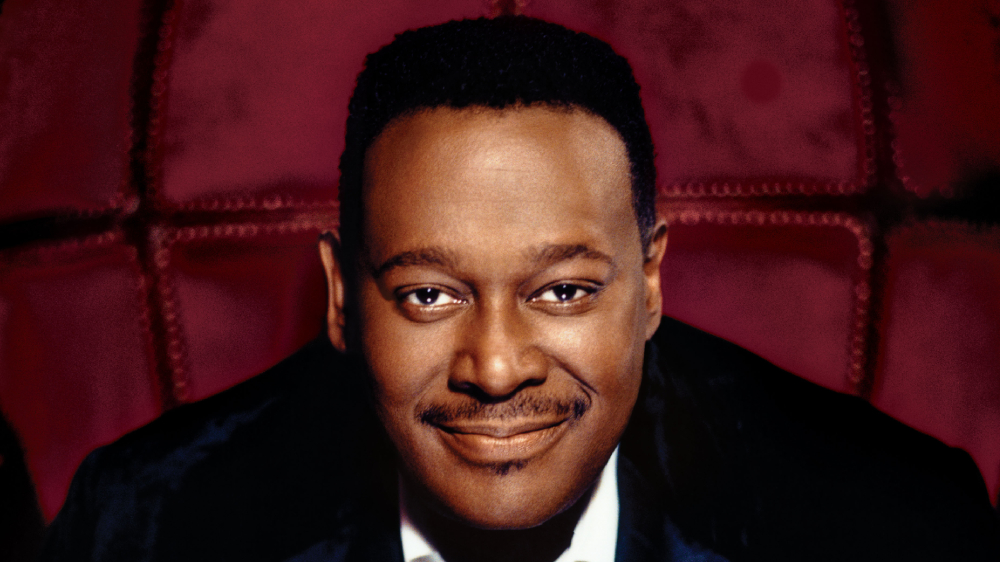
Few artists have ever captured intimacy, longing, and emotional honesty with the depth heard in the music of Luther Vandross. His recordings did more than fill radio playlists; they accompanied life’s most personal moments, from first dances to late-night reflections. Over a career that spanned decades, he transformed classic soul traditions into something unmistakably his own, setting a standard for vocal excellence and heartfelt storytelling that continues to resonate.
At the heart of his appeal was a voice that felt both powerful and gentle, capable of commanding a room while sounding as if it were singing directly to one listener. That balance made his work timeless. He was not merely a hitmaker but a craftsman devoted to phrasing, arrangement, and emotional clarity. This article traces his journey, influence, and enduring legacy.
Early Life and Musical Foundations
Born in New York City, he grew up surrounded by gospel, jazz, and soul. Church choirs and family gatherings became early classrooms where harmony and expression mattered as much as technique. These experiences shaped a musician who valued feeling over flash.
As a teenager, he was already arranging and singing, showing a sensitivity to melody that set him apart. The city’s vibrant music scene offered inspiration and opportunity, and he absorbed it all. From Motown classics to Broadway influences, his musical education was broad and deeply rooted.
Before achieving fame as a solo artist, he worked behind the scenes as a background vocalist and arranger. These roles sharpened his ear and discipline, teaching him how songs are built layer by layer. The experience would later define his meticulous studio approach.
Luther Vandross and the Rise of a Distinctive Sound
The transition from supporting roles to center stage was not immediate, but when it happened, it felt inevitable. His debut as a solo artist revealed a sound that blended classic soul warmth with contemporary polish. The result was music that felt familiar yet fresh.
This period marked the emergence of a signature style: lush arrangements, smooth tempos, and vocals that glided effortlessly between strength and vulnerability. Audiences responded quickly, and his records began climbing the charts.
What set him apart was restraint. Instead of overwhelming listeners with vocal acrobatics, he chose moments carefully. Each note served the story, making songs feel honest and personal rather than performative.
Craftsmanship in Songwriting and Arrangement
A defining trait of his career was attention to detail. He approached songs as emotional architecture, ensuring that lyrics, melody, and instrumentation supported one another. This craftsmanship gave his ballads a cinematic quality.
Collaborations were chosen thoughtfully, often with artists who shared his respect for musicality. Whether working with legends or emerging talents, he maintained a clear artistic vision. The studio became a space of precision and patience.
His background in arranging allowed him to reimagine classics with new elegance. Covers felt like reinterpretations rather than replicas, honoring originals while adding depth and warmth.
Commercial Success and Cultural Presence
As albums accumulated, so did accolades. Multi-platinum sales and sold-out tours confirmed that his music connected across generations. Radio embraced his sound, and his concerts became communal experiences of shared emotion.
Yet success never seemed to change his focus. He remained committed to quality, often taking time between projects to ensure each release met his standards. This consistency built trust with listeners who knew what to expect and still found surprises.
In popular culture, his songs became shorthand for romance and sincerity. They appeared at weddings, celebrations, and quiet evenings alike, embedding themselves in personal histories.
Vocal Technique and Emotional Impact
The technical mastery behind the voice was undeniable. Breath control, phrasing, and tone combined to create performances that felt effortless. But technique alone does not explain the impact.
Emotion was the true instrument. He sang with empathy, conveying heartbreak and hope with equal conviction. Listeners felt understood, as if the music articulated feelings they could not express themselves.
This emotional transparency inspired countless singers. Many studied his recordings not just to learn technique but to understand how vulnerability can be conveyed through sound.
Challenges, Health, and Public Perception
Despite professional triumphs, his life included struggles. Health challenges affected his ability to perform and record, bringing periods of uncertainty. He faced these moments with determination, returning to the studio whenever possible.
Public curiosity about his private life often overshadowed the music. He guarded his personal world closely, choosing to let songs speak where words might complicate. This discretion added to his mystique.
Through challenges, he maintained dignity and focus. The work remained central, and audiences responded with loyalty and respect.
Influence on R&B and Modern Soul
The ripple effect of his artistry is evident in contemporary R&B. Smooth vocalists, emotionally driven ballads, and polished production all bear traces of his influence. Younger artists cite his recordings as benchmarks of excellence.
Beyond genre boundaries, his approach to storytelling influenced pop and gospel singers alike. The idea that emotional honesty can coexist with commercial success owes much to his example.
His legacy also includes elevating the album format. Records were crafted as cohesive experiences, encouraging listeners to engage beyond singles.
Lasting Legacy and Artistic Memory
Years after his passing, the music continues to feel present. New listeners discover his catalog, while longtime fans revisit songs that still resonate. This endurance speaks to authenticity.
Awards and honors recognize achievements, but the truest measure of impact lies in the way his work remains woven into daily life. The songs still comfort, celebrate, and accompany moments of reflection.
In the broader narrative of American music, Luther Vandross stands as a bridge between tradition and modernity, honoring soul’s roots while shaping its future. His voice remains a reminder that sincerity, care, and emotional truth can create art that lasts far beyond its time.