
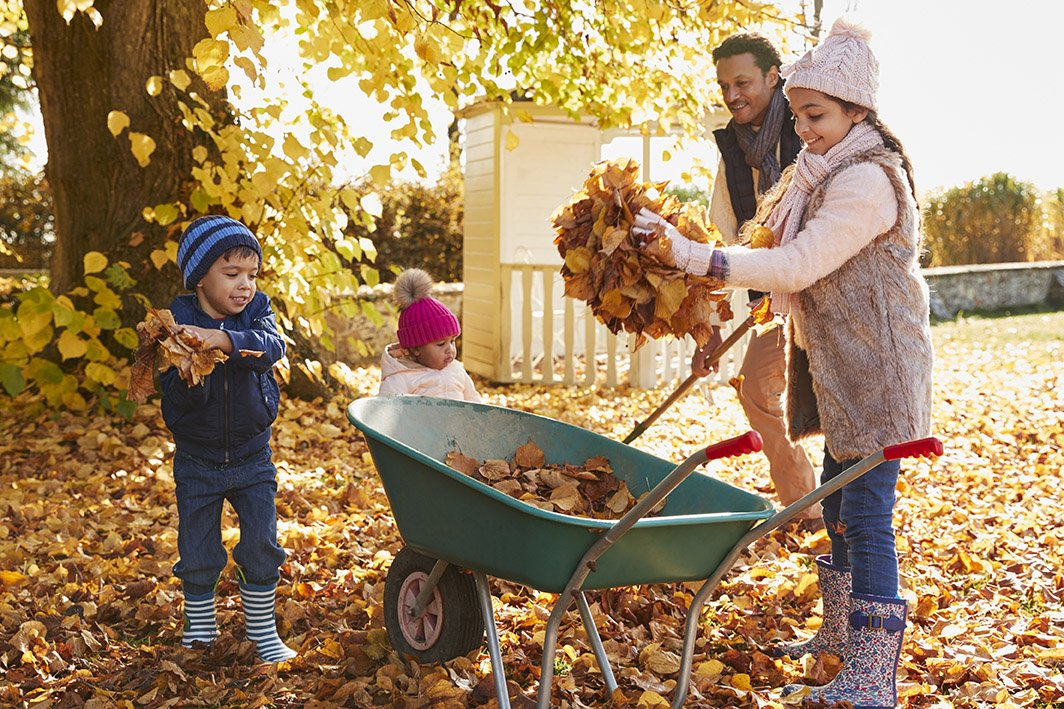
When the air turns crisp and the days get shorter, fall has a way of making every home feel cozier and busier at the same time. Leaves pile up fast, gutters catch more debris than you expect, and the garage door suddenly sounds a little louder than it did in summer. The good news is that none of this has to be complicated. With a few smart habits, you can keep your yard tidy, protect your exterior surfaces, and make sure your garage door keeps working smoothly through the colder months.
Start With a Fall Game Plan That Actually Works
A little planning upfront keeps you from doing the same work twice. Instead of chasing leaves every weekend, set a simple routine that matches how quickly your yard fills up.
If you want a quick look at general fall yard service options and leaf cleanup approaches, you can check classygrass.pro/ as a reference point for how some pros structure seasonal cleanup work.
Time It Right Instead of Doing It Constantly
The trick is to clean up often enough to prevent buildup, but not so often that you feel like you live inside a rake commercial.
● If your trees drop leaves in waves, aim for a light cleanup once a week.
● If your yard gets buried all at once, plan one larger cleanup followed by quick touch-ups.
● If wind is a major factor, focus on clearing walkways and drains first, then the rest of the lawn.
Pay attention to where leaves naturally collect. You’ll almost always find the same corners, fence lines, and low spots filling up first.
Protect the Areas That Get Slippery
Wet leaves are more than messy, they can turn steps, sidewalks, and decks into a hazard. Prioritize these high-traffic zones before you worry about the back corner of the yard no one walks through until spring.
Leaf Cleanup Tips That Save Time and Your Back
Leaf cleanup is easier when you treat it like a process, not a single exhausting day. A few small adjustments can cut the work in half.
Choose the Right Tools for Your Yard
You do not need every tool on the market. You need the right tool for the way your yard behaves.
● A wide rake works well for open lawn areas.
● A leaf blower is great for patios, driveways, and moving piles into one spot.
● A tarp makes hauling piles easier than dragging bags across the lawn.
● A mulching mower can turn leaves into free organic material for the lawn.
Mulch Leaves for a Healthier Lawn
Mulching is one of the simplest ways to reduce waste and feed your lawn at the same time. Run a mulching mower over dry leaves to chop them into tiny pieces that settle between grass blades.
A few practical notes make mulching more effective:
● Mulch when leaves are dry to avoid clumps.
● Do a second pass if the layer is thick.
● Stop mulching when leaves start smothering the grass rather than disappearing into it.
Mulched leaves break down over time and can help improve soil structure. It’s a win if your lawn can handle it.
Bagging vs. Composting: Pick a Simple System
If you bag everything, you’ll spend more time hauling and more money on disposal. Composting is a great option if you can keep it manageable.
A simple approach:
● Compost dry leaves and mix them with green material like grass clippings when available.
● Avoid composting leaves that are clearly diseased or covered in heavy mildew.
● If composting feels like too much, at least use leaves as mulch in garden beds.
Leaves are not trash by default. They are just an inconvenient resource.
Don’t Forget The Hidden Trouble Spots Around the House
Leaf piles often sneak into places that cause bigger issues later. Clearing these areas can prevent water problems and exterior damage.
Keep Gutters and Downspouts Clear
Gutters clogged with leaf debris can overflow and push water toward the foundation. If you are comfortable on a ladder, check gutters periodically during peak leaf drop. If you are not, it’s worth scheduling help. Water management is one of those things that is boring until it is expensive.
A quick visual check is often enough. If you see plants growing in the gutter, that is your sign it is past due.
Clear Drainage Paths and Window Wells
Leaves love to hide in window wells, under deck stairs, and in the corners where water should drain away. These areas can trap moisture and invite pests. Even a few minutes with a small rake or a gloved hand can prevent a problem that shows up in winter.
Watch for Leaf Buildup Against Siding
When wet leaves sit against siding, they hold moisture in contact with the surface. Over time that can cause staining, rot in vulnerable materials, and a great little habitat for insects. A quick sweep along the base of the house keeps things cleaner and drier.
Garage Door Care That Keeps Everything Running Smoothly
Fall is also a smart time to check your garage door because colder weather can make small mechanical issues feel bigger. A door that is already struggling in mild temperatures can become louder and less reliable when the temperature drops.
Listen for Changes Before They Become Breakdowns
You do not need to be a technician to notice when something shifts.
Common signs the door needs attention:
● New squeaks, grinding, or rattling
● The door feels heavier or moves unevenly
● It reverses unexpectedly or hesitates
● The opener strains more than usual
If you want reliable support for garage functionality, it helps to handle small maintenance tasks early and call in a professional when something feels off rather than forcing the system to keep going.
Clean the Tracks the Right Way
Tracks collect dust and grime, especially if your garage doubles as a workshop or storage zone. Cleaning them helps the rollers move smoothly.
A simple method:
● Wipe tracks with a dry cloth first to remove loose debris.
● Use a damp cloth for stuck-on dirt.
● Avoid heavy lubricants inside the tracks. That can attract more grime and make the problem worse.
If the tracks look bent or misaligned, that is not a DIY moment. That is a safety moment.
Lubricate the Moving Parts That Need It
Lubrication makes a noticeable difference in noise and performance. Use a garage-door-appropriate lubricant on hinges, rollers, and springs if the manufacturer recommends it.
A few tips:
● Use a light, targeted spray rather than soaking everything.
● Wipe off excess so it does not drip or collect dust.
● Do not lubricate the tracks themselves unless your manufacturer explicitly says to.
The goal is smooth movement, not a slippery mess.
Test the Balance and Safety Features
A balanced door protects your opener from strain and keeps the system safer.
You can do a basic balance check:
● Close the door fully.
● Pull the emergency release to disconnect the opener.
● Lift the door halfway and let go carefully.
If it drops quickly or shoots up, it may be out of balance. Springs are under high tension, so this is where you stop and call a pro.
Also test the auto-reverse function. Place a small piece of wood on the ground under the door and close it. The door should reverse when it touches the object. If it does not, that is a serious issue to address immediately.
Simple Habits That Make Fall Maintenance Feel Light
Once you’ve done the main cleanup and garage check, the rest of the season is about small routines that keep your home feeling under control.
Create a Weekly 20 Minute Reset
Pick one day a week and do a quick loop:
● Clear walkways and steps
● Check gutters visually
● Sweep leaves away from the base of the house
● Listen to the garage door as it opens and closes
This tiny habit keeps problems from snowballing and makes your weekends feel less like work.
Store Tools Where You’ll Actually Use Them
If your rake is buried behind summer gear, you will avoid using it. Keep your fall tools accessible. The easier it is to grab what you need, the more likely you are to do quick cleanup instead of waiting for a big messy day.
Finish The Season Strong With a Quick End of Fall Checklist
As leaf drop slows down, it’s worth doing one last thorough pass. That final cleanup sets you up for an easier winter.
● Remove final leaf piles from corners and drainage areas
● Make sure downspouts drain away from the house
● Do a last garage door noise and movement check
● Inspect weather stripping around the garage door and replace if cracked
● Sweep the garage floor so debris does not get tracked into the house
Fall maintenance does not have to be a marathon. If you handle leaves with a smart routine and give your garage door a little attention, you will save yourself time, reduce repair risks, and head into winter with one less thing on your mind.