
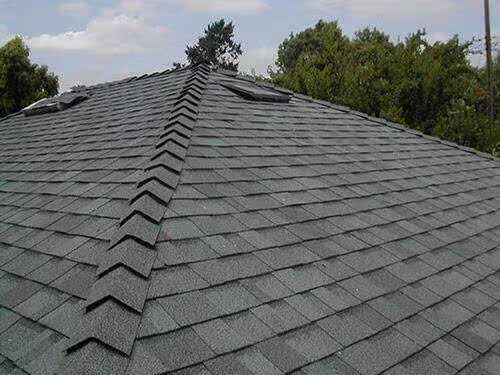
A roof usually does its job quietly, until one day it doesn’t. Maybe you notice a faint stain forming on the ceiling, a drip that appears only during heavy storms, or shingles that look a little too curled at the edges. In those moments, it’s normal to feel torn between “it’s probably fine” and “this could get expensive fast.” The smartest approach is to treat early warning signs as useful information. With a clear plan and the right expectations, you can make solid decisions, protect your home, and avoid the spiral of repeated patch jobs. If you need help with roof repairs after spotting something suspicious, starting with the basics can save you time, stress, and money.
Spot the Early Warning Signs Before They Become a Headache
Roof issues rarely appear out of nowhere. Most problems build over time, and the sooner you recognize the pattern, the easier the fix tends to be.
Indoors Clues That Your Roof Needs Attention
Before you climb a ladder, look inside. Roof problems often announce themselves in subtle ways.
● Water stains on ceilings or walls that grow after rain
● Paint bubbling or peeling near upper rooms
● Musty smells in the attic or closets on exterior walls
● Sudden spikes in humidity in upper floors
● Mold or dark spots along rafters or insulation
If you see any of these, the goal isn’t to panic. It’s to confirm whether moisture is coming from the roof, flashing, vents, or a different source entirely.
Outdoor Red Flags You Can Often See From the Ground
You can spot plenty without stepping onto the roof.
● Missing, cracked, or warped shingles
● Granules collecting in downspouts (shingle “sand” that washes off)
● Sagging rooflines or uneven edges
● Damaged flashing around chimneys or skylights
● Debris piles that trap water in roof valleys
Even a small defect can let water in, and water rarely stays where it enters. It travels along decking and framing, then shows up somewhere else, usually far from the real source.
Know What Usually Causes Roof Damage
Roof wear is normal. The trick is knowing what kind of wear is harmless aging and what signals a genuine failure.
Wind, Water, and the Slow Grind of Weather
Wind can lift shingles and loosen nails. Repeated wet-dry cycles can degrade sealing strips. Over time, that combination makes your roof less resistant during the next big storm. A roof doesn’t have to look “destroyed” to be vulnerable. Sometimes it just needs a few strategic repairs and better sealing.
Flashing Failures are More Common Than People Think
Flashing is the thin material that seals transitions like chimneys, walls, skylights, valleys, and vent pipes. When flashing fails, water can sneak in even if shingles look fine. This is why a leak diagnosis should never focus only on the obvious spot inside your home. A professional inspection often finds the real culprit around roof penetrations and edges.
Ventilation Problems Can Shorten a Roof’s Life
Poor attic ventilation can trap heat and moisture, which speeds up shingle aging and can lead to condensation issues. This isn’t just a comfort problem. It can affect the structural health of the roof system, insulation performance, and even indoor air quality.
Decide Whether It’s a Repair or a Bigger Project
One of the most practical questions homeowners have is: “Is this a quick fix or the start of a full replacement?”
When a Repair Often Makes Sense
A repair can be a smart move when:
● The roof is relatively young
● Damage is isolated (a small area, not widespread)
● The underlying decking is still solid
● The leak source is clearly identified and accessible
Targeted repairs are especially effective when the roof structure is healthy and the problem is localized to shingles, flashing, or a vent boot.
When Replacement May Be the Better Investment
A replacement can be the better choice when:
● Leaks happen in multiple spots
● Shingles are brittle, curling, or consistently losing granules
● You’ve had repeated repairs that never fully solve the issue
● The roof is near the end of its typical lifespan
● Decking shows signs of rot or sagging
A good contractor won’t push you into a bigger job if a repair is truly enough. They should explain what they see, show photos, and walk you through the reasoning.
What a Good Roof Inspection Should Include
A roof inspection shouldn’t feel like a mystery tour. You deserve clear answers and a straightforward path forward.
Key Things an Inspector Should Check
A thorough inspection typically reviews:
● Shingle condition, especially edges and valleys
● Flashing integrity around all penetrations
● Ventilation and attic moisture signs
● Gutters and drainage patterns
● Signs of soft decking or structural issues
If possible, ask for photo documentation. It keeps everyone on the same page and helps you understand the “why” behind the recommendations.
Questions Worth Asking Before You Approve Any Work
Before committing to repairs, ask:
● What’s the most likely source of the problem, and how sure are you?
● What materials will be used, and are they compatible with the current roof?
● Will you replace damaged underlayment or decking if found?
● What does the workmanship warranty cover, and for how long?
● How will the repair look compared to the surrounding area?
Clear communication is a sign you’re dealing with professionals who take pride in the work, not just the invoice.
Rain Gutter Cleaning Matters More Than Most Homeowners Realize
Your gutters are part of your roof system, even if they don’t feel like it. When gutters clog, water can back up along the roof edge, seep beneath shingles, and increase the risk of rot. Clogged gutters also create heavier loads that can pull fasteners loose and damage fascia boards. A simple seasonal cleaning prevents a surprising number of “mysterious” leak issues and helps your roof last longer overall. If you want a general reference for services and best practices, you can look at http://www.619roofing.com/ as an example of how some roofing providers bundle gutter maintenance into broader exterior care.
Prevent Future Problems With Simple Habits
Most roof failures don’t come from one dramatic moment. They come from small issues that go unnoticed.
Easy Maintenance Moves That Pay Off
A few low-effort routines make a big difference:
● Check after major storms for obvious missing shingles or debris piles
● Keep branches trimmed so they don’t scrape the roof surface
● Clear roof valleys if leaves collect and hold moisture
● Look in the attic twice a year for damp insulation or staining
● Address small repairs early instead of waiting for active leaks
Think of it like car maintenance. You can ignore the warning light for a while, but it usually costs more later.
Don’t Forget About Ice and Snow Issues
In colder seasons, freeze-thaw cycles can be hard on roof edges. Good insulation, proper ventilation, and clean gutters all help manage this. If you’ve experienced ice buildup along the eaves in the past, it’s worth discussing preventative measures like improved ventilation or targeted edge protection.
Choosing the Right Professional Without Guesswork
The right crew makes the process smoother, safer, and more cost-effective. The wrong one can leave you with repeat problems and vague explanations.
What to Look For In a Roofing Contractor
A reliable contractor typically offers:
● Clear inspection notes with photos
● Transparent pricing that explains labor and materials
● A defined scope of work
● Warranty details in writing
● Professional communication and clean job practices
If someone is pushy, avoids questions, or won’t explain the plan, take that as useful information and keep looking.
A Practical Way to Compare Quotes
When comparing estimates, don’t focus only on the bottom line. Compare:
● Materials quality and matching
● What’s included (flashing, underlayment, disposal, decking repairs)
● Warranty length and coverage
● Project timeline and cleanup plan
A slightly higher estimate can be the better value if it includes the steps that prevent repeat issues.
The Bottom Line
A roof doesn’t need to be perfect to protect your home, but it does need to be watertight, well-sealed, and properly ventilated. If you’re seeing early signs of trouble, a professional inspection can confirm what’s going on and help you choose the smartest path, whether that’s a focused repair or a larger improvement plan. The key is acting while the issue is still small, when your options are wider and your costs are typically lower.