
Moving is already a full-body workout. Between changing addresses, juggling keys, and realizing you still own three mystery cables, the last thing you want is to spend your final night scrubbing baseboards. That said, a solid move clean can make the difference between a smooth handoff and a drawn-out back-and-forth with a landlord or buyer, especially when it comes to end-of-lease cleanups that come with high expectations and a short deadline. This guide breaks down what to clean, how to prioritize, and how to avoid the most common “we have to come back tomorrow” mistakes.
Why Move Cleaning Feels Harder Than Regular Cleaning
Move cleaning isn’t just “normal cleaning, but more.” It’s deeper, more detailed, and usually happens when the home is emptier, which exposes every scuff, dust line, and overlooked corner.
Before you dive into the checklist, it helps to understand the goal: you’re resetting the space so it feels cared for, neutral, and ready for whoever walks in next.
The Difference Between Move-In and Move-Out Cleaning
Move-out cleaning focuses on leaving the home in a condition that matches expectations in your lease, contract, or local norms. Move-in cleaning is about comfort and hygiene, because even a “clean” home can still have lingering dust, residue, and odors.
When “Good Enough” Isn’t Good Enough
The tricky part is that your eyes adjust to your own space. You stop noticing smudges on light switches and grime around handles. New occupants notice everything, because it’s their first impression.
Start With a Game Plan, Not a Panic Clean
A little strategy saves hours. The best approach is to clean in zones, top-to-bottom, and dry-to-wet so you aren’t undoing your own work.
Pick a starting point and commit to finishing one area before bouncing around. You’ll feel progress faster, and you’re less likely to miss details.
The Two-Pass Method That Saves Time
First pass: remove dust, cobwebs, crumbs, and debris.
Second pass: tackle wet cleaning, disinfecting, and polishing.
That order keeps you from turning dust into sludge.
What to Clean First for the Biggest Visual Impact
If you’re short on time, focus on what people touch and what they see immediately.
● Floors and corners
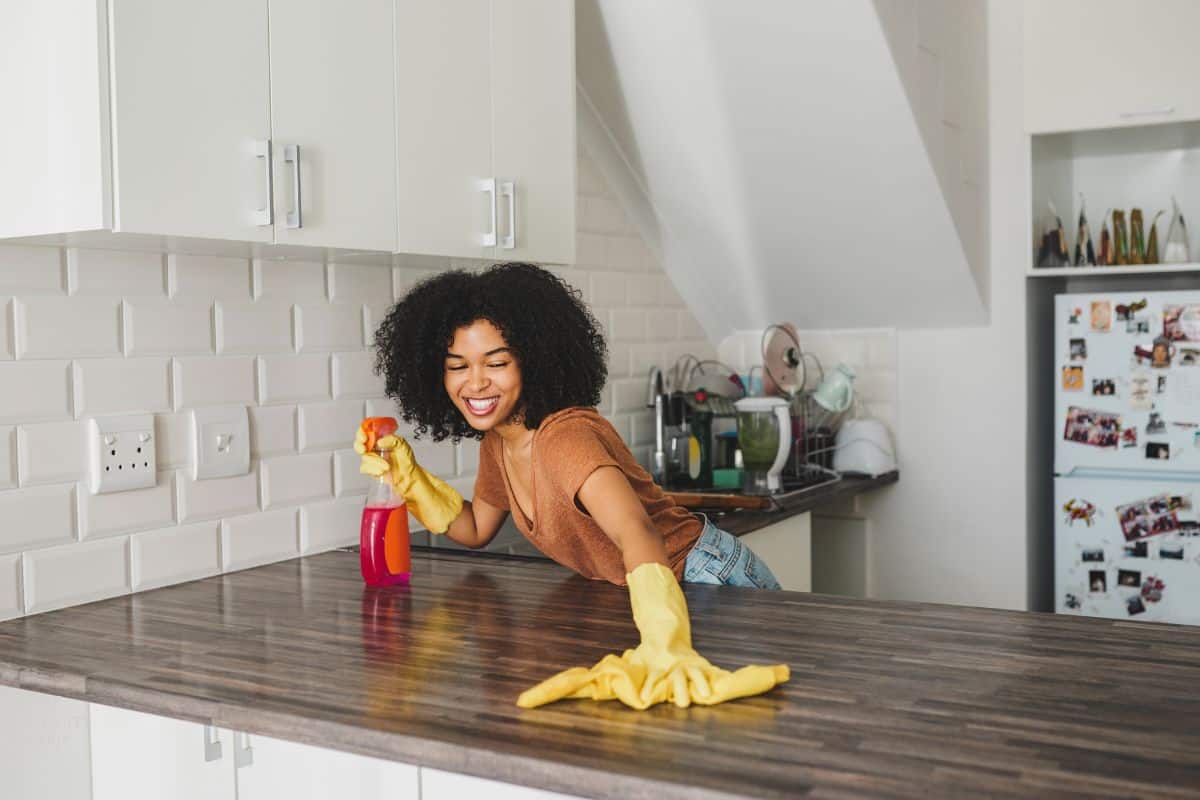
● Kitchen surfaces and sink
● Bathroom fixtures and mirrors
● Smudgy doors, handles, and switches
Those areas create the “wow, this is clean” feeling quickly.
The Room-by-Room Checklist People Actually Miss
This is where most move cleans go wrong. People hit the obvious spots and forget the details that trigger complaints or re-clean requests.
Use the sections below like a walkthrough. Imagine you’re seeing the home for the first time, because that’s how it will be judged.
Kitchen: Where Every Smell and Stain Gets Noticed
Kitchens hold onto grease and odors more than any other room, so small misses add up.
● Degrease stovetop, knobs, and backsplash
● Clean inside microwave and wipe the door edges
● Scrub sink basin and polish the faucet
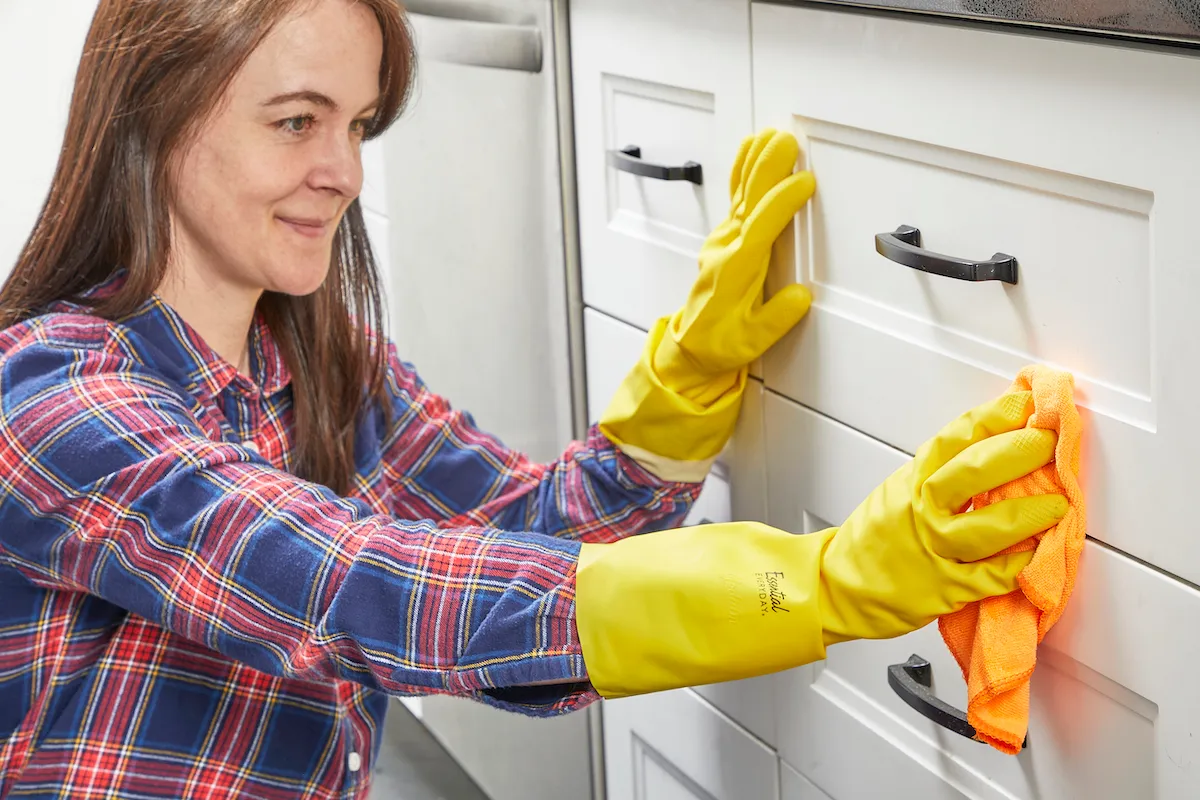
● Wipe cabinet fronts, especially around handles
● Clean inside drawers if crumbs are present
● Vacuum and wipe under the fridge edge if accessible
If you have time, cleaning the oven glass and the range hood filter can make the entire kitchen look fresher.
Bathrooms: The “Proof” Room
Bathrooms are where people decide whether the whole home is clean. One dusty vent or cloudy mirror can undo everything.
● Descale showerhead and faucet
● Scrub grout lines where soap scum collects
● Clean around the base of the toilet and behind it
● Wipe mirrors and polish fixtures
● Empty and wipe cabinets if they’re staying
Also, don’t skip the exhaust fan cover. It’s a quiet dust trap that screams “rushed job.”
Bedrooms and Living Areas: Simple, but Detail Heavy
These rooms are easier, but they expose dust patterns and scuffs.
● Dust baseboards and window sills
● Wipe closet shelves and rods
● Spot-clean walls near switches and corners
● Vacuum edges first, then open areas
● Finish with a slow pass so carpet lines look even
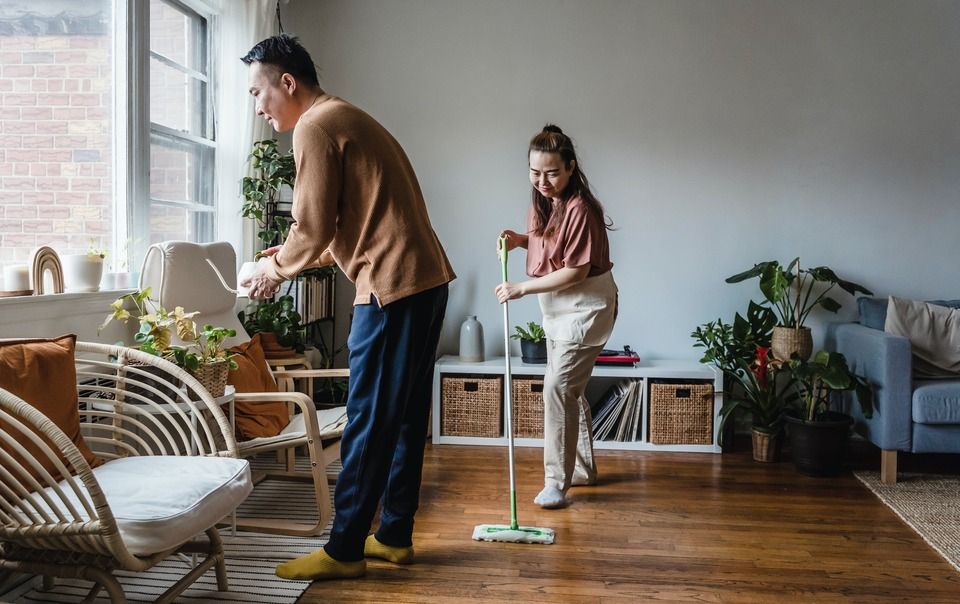
For hard floors, a microfiber mop is your friend. It pulls fine dust that a quick swiffer pass can leave behind.
The Mid-Move Shortcut That Keeps You Sane
Here’s the truth: the easiest move clean is the one you don’t do all at once. If you’re able to, clean as each room empties. That keeps you from facing the whole place in one overwhelming marathon.
At this point, many people choose to bring in help for the final reset, and that can be a smart move if you’re on a deadline. If you want a professional option to compare against your own time and energy, you can take a look at http://sunflowermaids.com/ and see what a dedicated move cleaning service typically covers.
Clean-As-You-Pack Mini Routine
Do this each time you finish packing a room.
1. Vacuum edges and corners
2. Wipe shelves and window sills
3. Spot-clean marks on walls
4. Quick mop or final vacuum pass
It’s simple, and it prevents the last-day chaos clean.
Supplies That Make a Real Difference
You don’t need a dozen specialty products. You need the right tools that reduce friction and let you move faster.
A few basics can make the difference between “clean enough” and “that looks professionally done.”
The Small Kit That Covers Most Homes
● Microfiber cloths in bulk
● All-purpose cleaner and a gentle degreaser
● Glass cleaner or vinegar mix
● Baking soda for odors and scrubbing
● Scrub brush and old toothbrush for tight areas
● Vacuum with attachments
● Mop with washable pads
If you’re cleaning stainless steel or glossy fixtures, finish with a dry microfiber cloth to avoid streaks.
Common Mistakes That Cost Deposits and Time
Most issues don’t come from big messes. They come from tiny oversights that feel obvious to the person inspecting the home.
Avoid these and you’ll prevent the majority of complaints.
Skipping the “Edges” and “Unders”
These are the classic misses.
● Along baseboards and floor edges
● Under and behind toilets
● Inside cabinet corners
● Under appliance lips and fronts
● Behind doors and near hinges
If you do nothing else, do a slow perimeter walk around every room. The edges tell the real story.
Using Too Much Product
More cleaner does not mean more clean. It often means more residue, more streaking, and more time re-wiping.
Use a light spray, let it sit briefly, then wipe thoroughly. Dry buff at the end when needed.
A Final Walkthrough That Makes the Clean Feel “Done”
The last step is a mindset shift. You stop cleaning and start inspecting.
This is where you catch the small things before someone else does.
The 10-Minute “Fresh Eyes” Sweep
Open blinds, turn on lights, and walk slowly.
● Look for smudges at eye level
● Check mirrors and shiny fixtures for streaks
● Scan floors for missed dust lines
● Sniff for lingering odors in the kitchen and bathroom
If you can, leave for a few minutes and come back. Your brain resets and you’ll notice more.
Closing Thought
A move clean is one of those tasks that feels annoying at the moment, but it pays off fast. It protects your deposit, prevents awkward follow-up requests, and lets you hand over the keys with confidence. Whether you do it yourself with a plan or get help for the final polish, the goal is the same: leave the space truly reset, so you can focus on your next chapter instead of one more round of scrubbing.