
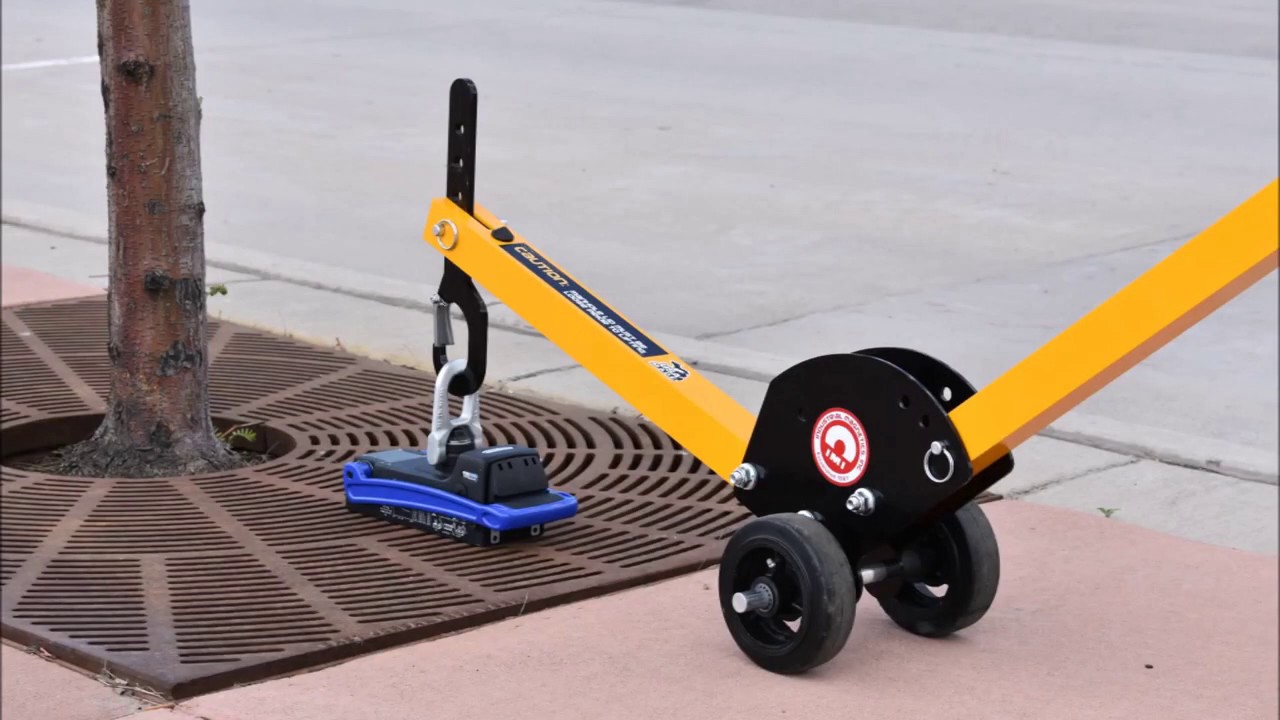
Manhole covers are heavy. Lifting them safely and efficiently has long been a challenge for workers in utilities, infrastructure maintenance, and construction. In recent years, magnetic lifting tools have changed the way crews handle these covers, allowing for hands-clear cover lifting with ease. This guide will explain how a manhole lifting magnet works, why it matters, and how magnetic lifting technology can make tough jobs easier.
What is a Manhole Lifting Magnet
A manhole lifting magnet is a device that uses strong magnetic force to attach to a metal surface so it can be lifted without hooks, chains, or clamps. Unlike traditional tools that require manual prying and muscular effort, a lifting magnet creates a secure hold through magnetism. This tool uses magnetic fields to provide an effortless, safe, and efficient way of lifting heavy manhole covers.
Magnetic lifting technology is based on principles of physics that have been explored for more than a century, yet only recently adapted into compact, jobsite-ready tools.
The Science Behind the Magnet
Magnetic lifting magnets rely on the attraction between magnetic fields and ferrous metals. A magnetic field is created by the alignment of magnetic domains within a material, and when this field intersects with a piece of steel or iron, a strong pull is generated. Most manhole lifting magnets are built using rare earth elements, which produce much greater magnetic strength compared to standard magnets.
Fun fact: Rare earth magnets were first developed in the 1970s and are among the strongest types of permanent magnets ever made.
The key to lifting heavy objects is not just the strength of the magnet alone, but how well the magnetic field is directed into the object being lifted. Lifting magnets are designed with internal structures that focus the field so that nearly all of the force goes into holding the target metal.
How a Manhole Lifting Magnet is Used
Using a manhole lifting magnet starts with placing the tool on the flat metal surface of a manhole cover. Because the magnet works without physical hooks or edges, it can attach smoothly and securely. Most tools of this type have a handle or lever that allows the operator to engage or disengage the magnetic hold easily.
Once engaged, the magnet grips the cover firmly and the cover can be lifted vertically without slipping. This action eliminates twisting, prying, or buckling that can happen with other tools. After the cover is moved to the side, releasing the magnet simply requires reversing the engagement mechanism.
Operators appreciate this simplicity because it reduces strain on the body and speeds up the task. Quick secure hold, controlled release, and fewer moving parts make magnetic lifting efficient and reliable.
Advantages Over Traditional Tools
Traditional tools like crowbars and hooks depend on leverage and physical strength. They also create pinch points where fingers and hands can get caught, especially in tight urban environments where space is limited. Magnetic lifting eliminates many of these risks. A lifting magnet requires minimal physical exertion and keeps hands away from dangerous edges.
Another benefit is the reduction in surface damage. Hooks and chains can scratch, dent, or wear down metal over time. Magnets do not touch the surface beyond the area of contact, preserving the integrity of the cover while maintaining a strong grip.
Safety Considerations
Even though magnetic lifters reduce many hazards, they do not replace good safety practices. Operators must still be aware of load limits and ensure the surface is clean and free of debris to achieve a reliable grip. Dirt, rust, or paint can reduce the effectiveness of a magnetic field. Inspecting the surface and magnet before every lift is a simple habit that ensures consistent performance.
It is also important to understand that magnetic force decreases rapidly with distance. This means that the closer the magnet is to the surface, the stronger the hold becomes. A slight gap can significantly weaken the grip, so the tool must be placed correctly.
Interesting Uses Beyond Manholes
Magnetic lifters are not only for manhole covers. They are used in warehouses to move steel plates, in factories to lift machine parts, and on job sites where bolts and clamps are impractical. The same magnetic principles apply wherever there is a need to move ferrous metal safely.
Fun fact: Magnetic lifting tools have been used in space research laboratories where delicate steel components must be moved without vibration or impact.
Magnetic lifting technology may seem simple, but it is a brilliant application of physical science to solve an everyday problem. By understanding how these tools work, operators can choose the right tool for the job, improve safety, and reduce the effort needed to handle heavy manhole covers. Whether you are a worker new to the field or someone curious about industrial tools, magnetic lifting is a fascinating and practical topic worth exploring.