Public fascination with celebrity relationships is as old as fame itself. Audiences feel connected to personalities they watch on screen, and that connection often extends into curiosity about their private lives. When someone becomes a familiar face, questions about love, commitment, and partnership naturally follow. This dynamic shapes how stories are told, how rumors form, and how boundaries are tested.
The search for clarity around relationships reveals something deeper about modern culture. People look for narratives they can relate to. They want to understand how public figures navigate intimacy under constant observation. The idea of a partner, a spouse, or a long-term companion becomes a symbol of stability in a world of fleeting attention. Yet the reality of private life rarely fits neatly into public expectations.
This article explores the tension between public curiosity and personal boundaries. It examines why relationship status attracts such attention, how speculation grows, and what it means to protect privacy while living in the spotlight.
Fame, identity, and the pressure of narrative
Fame compresses identity into a set of recognizable traits. Over time, a public figure becomes associated with certain roles, behaviors, or storylines. These associations simplify complex individuals into digestible images. Audiences begin to feel they know the person, even when they only see curated fragments.
Within this simplified narrative, relationships take on outsized meaning. A partner becomes part of the story the public follows. The presence or absence of a spouse is interpreted as a statement about stability, growth, or change. This pressure can shape how relationships are discussed, even when the individuals involved prefer discretion.
Narratives thrive on clarity. They seek beginnings, turning points, and resolutions. Real relationships, however, are rarely so tidy. They evolve quietly, with nuances that do not lend themselves to headlines. The mismatch between narrative expectations and lived experience creates tension.
The allure of romantic speculation
Romantic speculation offers a sense of closeness. Fans project their own hopes and values onto the lives of public figures. They imagine what kind of partner might fit, what a healthy relationship might look like, and how love might unfold under scrutiny.
This speculation can feel harmless, but it carries weight. When enough voices repeat a story, it begins to feel real. Rumors gain momentum. Assumptions harden into beliefs. The line between curiosity and intrusion becomes thin.
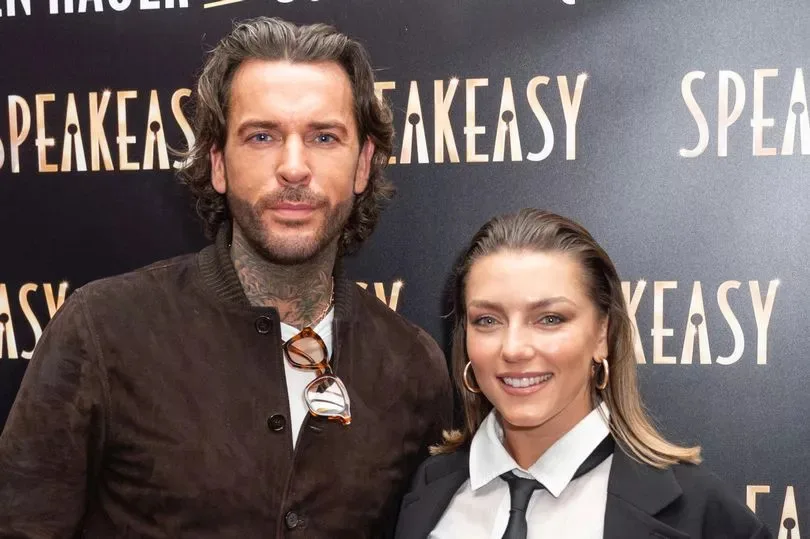
The idea of Pete Wicks Wife has circulated in online searches and casual conversation, reflecting this desire to complete a narrative. The phrase itself suggests certainty, even when reality may be more complex. Such shorthand illustrates how language can shape perception before facts are established.
Media cycles and the amplification of absence
Media attention thrives on presence, but it also amplifies absence. When a public figure does not share details about their private life, that silence becomes a story. The lack of confirmation invites speculation. Every public appearance is analyzed for clues. Small gestures are read as signals.
This cycle creates a paradox. The more someone protects their privacy, the more attention that boundary can attract. Silence is interpreted as mystery. Mystery becomes content. Content fuels further curiosity.
Understanding this cycle helps explain why certain topics persist in public discourse. The absence of definitive information leaves room for imagination. That imagination often fills the gap with narratives that say more about audience desire than about lived reality.
Privacy as an active choice
Privacy is not merely the absence of information. It is an active choice to define what remains personal. For public figures, this choice requires intention. It involves deciding which aspects of life are shared and which remain protected.
This boundary-setting is a form of self-respect. It acknowledges that intimacy thrives away from constant evaluation. Relationships need space to develop without the pressure of commentary. Protecting that space can strengthen trust between partners.
Privacy also protects identity. It allows individuals to experience moments without performance. In a world that rewards visibility, choosing discretion is a way to reclaim agency over one’s narrative.
The emotional cost of speculation
Speculation has emotional consequences. Being the subject of rumors can feel dehumanizing. It reduces complex lives to simplified storylines. The people involved become characters in a narrative they did not author.
This experience can strain relationships. Partners may feel pressure to conform to public expectations. They may also feel the weight of being judged by strangers. Over time, this pressure can erode the sense of normalcy that relationships require to thrive.
Empathy invites a different perspective. Recognizing the emotional labor involved in navigating public curiosity fosters a more respectful approach. It reminds audiences that behind every headline are real people with private lives.
The role of restraint
Restraint is a collective practice. When audiences choose not to amplify unverified stories, they shift the tone of discourse. This restraint honors the boundary between public persona and private life.
Choosing restraint does not diminish interest in a person’s work. It redirects attention toward creative output rather than personal speculation. This shift supports healthier relationships between public figures and their audiences.
The ethics of attention
Attention is a form of power. How it is directed shapes cultural norms. When attention centers on private relationships without consent, it reinforces the idea that public figures owe access to every aspect of their lives.
An ethical approach to attention respects autonomy. It values the choice to share or withhold personal details. This respect builds a more humane media environment.
Relationships in the age of constant visibility
Modern relationships unfold in a context of continuous documentation. Photos, comments, and stories create a public record of private moments. This visibility can be affirming, but it also invites scrutiny.
For public figures, the stakes are higher. Visibility can distort natural rhythms of intimacy. Moments that might otherwise be ordinary become symbolic. A shared appearance becomes evidence of status. An absence becomes a signal of change.
Navigating this environment requires intentionality. Couples may choose to curate what they share, or they may opt for minimal exposure. Both approaches reflect a desire to preserve the integrity of the relationship.
Pete Wicks Wife as a cultural mirror
The persistent interest in Pete Wicks Wife reveals broader cultural patterns. It reflects a collective desire for relational clarity in public narratives. It also shows how quickly assumptions can take root when language suggests certainty.
This phenomenon mirrors a wider trend in celebrity culture. Audiences seek markers of stability and continuity. They look for milestones that signal growth. Marriage, in particular, carries symbolic weight. It is often read as a sign of maturity or resolution within a public story.
Yet real lives resist such neat framing. Growth does not always follow prescribed milestones. Relationships evolve in diverse ways. Recognizing this complexity invites a more nuanced understanding of public figures as people rather than symbols.
Reclaiming complexity in public discourse
Complexity enriches understanding. When discourse allows for ambiguity, it honors the varied ways people live their lives. Public narratives do not need to resolve into tidy conclusions to be meaningful.
Reclaiming complexity involves resisting oversimplification. It means acknowledging that relationships can be private, evolving, or undefined without being deficient. This perspective respects individual autonomy.
Media literacy plays a role here. Audiences who understand how narratives are constructed are better equipped to question assumptions. They can engage with public figures’ work without demanding access to personal details.
The value of unanswered questions
Unanswered questions can coexist with interest. Not every curiosity needs resolution. Allowing space for uncertainty fosters respect. It acknowledges that some aspects of life remain personal by choice.
This acceptance reduces the pressure on public figures to perform their private lives. It creates room for authenticity that is not contingent on disclosure.
Shifting focus to work and contribution
Refocusing attention on creative contribution rather than personal status enriches cultural conversation. It centers the work that brought public figures into view in the first place. This shift aligns interest with purpose.
When audiences engage primarily with art, craft, and ideas, they support a healthier public sphere. Relationships remain personal, while professional contributions remain shared.
The long view of public life
Public interest waxes and wanes. Narratives shift. What feels urgent today may fade tomorrow. The long view reminds us that enduring impact comes from sustained contribution rather than momentary speculation.
For individuals in the spotlight, cultivating a long view supports resilience. It frames attention as transient and values internal consistency over external validation. This perspective encourages choices aligned with personal values rather than immediate reaction.
The long view also benefits audiences. It invites engagement with substance over sensation. It nurtures a culture that values depth, patience, and respect.
Conclusion
Curiosity about private relationships is a natural extension of public interest, but it carries responsibility. The story surrounding Pete Wicks Wife highlights how language, media cycles, and audience desire can shape narratives that outpace reality. By choosing restraint, respecting boundaries, and valuing complexity, public discourse can become more humane. In doing so, we honor not only the individuals we watch, but also the relationships they choose to keep their own.