
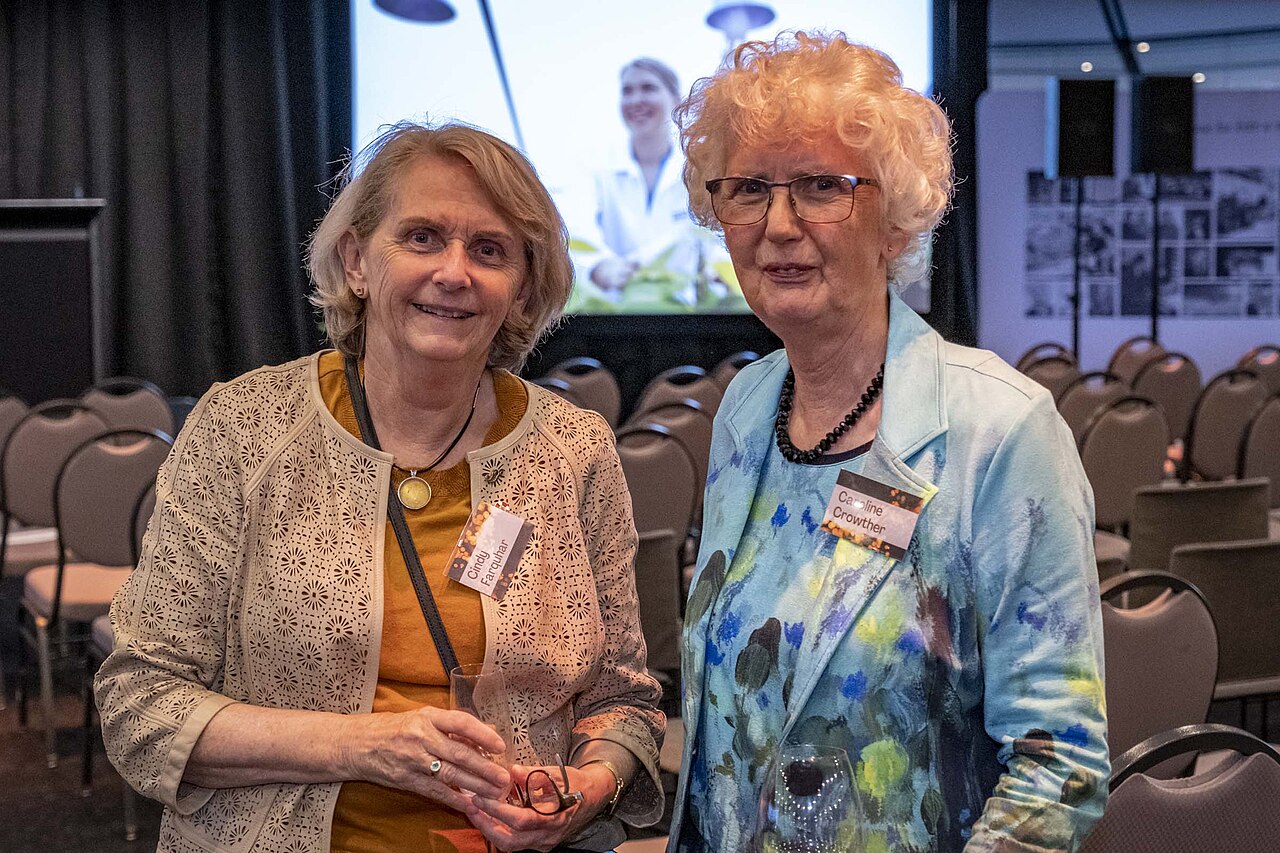
Caroline Crowther is a name that resonates powerfully within the global health research community. She stands out not for fleeting news headlines, but for decades of careful scientific inquiry and deep commitment to improving outcomes for mothers and newborns. Her work spans continents, institutions, and clinical practices, touching lives through research that has reshaped the way medical professionals care for women and infants before, during, and after childbirth.
Her contributions reflect a blend of intellectual rigor, compassionate focus, and unwavering dedication to evidence-based medicine. In a world where advances in healthcare often happen incrementally, the story of Caroline Crowther shows how sustained focus on key clinical challenges can create lasting change. This article explores her life, her work, and the impact she has made on the health of families worldwide.
The Journey of Caroline Crowther
From her early days to her current prominence in academic medicine, the life of Caroline Crowther has been defined by a commitment to understanding and improving maternal and perinatal care. She is an obstetrician and gynecologist who has built a stellar reputation for her research into conditions that affect pregnant women and their babies, including gestational diabetes, preterm birth, and interventions that can prevent life-altering complications.
Crowther’s career bridges both clinical practice and high-impact research. She holds professorships at the University of Auckland in New Zealand and the University of Adelaide in Australia, where she has worked alongside medical professionals and scientists dedicated to reducing risk in pregnancy and childbirth. Her approach combines statistical rigor with an empathetic understanding of patient experience, a blend that has helped her studies directly influence clinical guidelines around the world.
Early Career and Research Focus
Caroline Crowther’s research focus developed early in her career, when she saw firsthand how pregnancy-related complications could affect long-term health for both mother and child. Rather than accepting conventional approaches, she pushed for rigorous clinical investigation into areas where evidence was incomplete or unclear. This took her into the realm of randomized clinical trials, systematic reviews, and international research collaborations that examined outcomes across diverse populations and settings.
Her work on gestational diabetes mellitus transformed understanding of how early diagnosis and treatment can reduce serious maternal and fetal complications. One of her most widely cited studies demonstrated that detection and appropriate treatment of this condition significantly reduced adverse outcomes, guiding practice in hospitals and clinics worldwide.
Similarly, Crowther led major clinical trials on the use of magnesium sulfate before very preterm birth, showing that this intervention reduces the risk of cerebral palsy in surviving infants. Findings like these not only deepen scientific understanding, they save lives and improve quality of life for families facing high-risk pregnancies.
Academic Leadership and International Recognition
As a professor of Maternal and Perinatal Health at the Liggins Institute, University of Auckland, Caroline Crowther has had a platform to mentor emerging researchers and guide major research programs. Her work has involved supervising graduate students, leading multinational research networks, and contributing to evidence synthesis that informs policy.
In 2019, she was elected a Fellow of the Royal Society of New Zealand, an honor that recognizes her sustained contributions to science and academia. Fellowships like this are reserved for individuals whose work has genuine long-term impact on knowledge and society. It reflects not only her scientific excellence but also the way her research has shaped clinical practice globally.
In 2025, Crowther received the Gluckman Medal, the University of Auckland’s highest honour for research excellence in health sciences. This award celebrated her transformative impact on maternal and perinatal healthcare, acknowledging the way her clinical trials and evidence-based approaches have been woven into the fabric of global medical standards.
The Science Behind the Impact
Much of the significance of Caroline Crowther’s work lies in its methodological rigor combined with real-world relevance. She is known for designing randomized controlled trials that address pressing clinical questions and for synthesizing complex knowledge into clear guidance that clinicians can use every day in their practices.
Clinical Trials and Maternal Care
Clinical trials are the backbone of evidence-based medicine. In the realm of maternal care, they are especially challenging because they must balance risks and benefits for both mother and fetus. Crowther’s trials examined a range of interventions, from nutritional supplements to drug protocols, and consistently added clarity to debates that once lacked firm scientific footing.
One landmark example is the research on induction of labour for improving birth outcomes at or beyond term. By comparing different clinical approaches in a rigorous trial, Crowther’s team generated evidence that reshaped care strategies for women approaching full term, influencing obstetric guidelines internationally.
Her research also extended into pediatrics and neonatal health, focusing on outcomes like respiratory distress syndrome and long-term child development. By following up on trials and documenting how early interventions influence later life, her work has provided a more comprehensive view of what prenatal care can realistically accomplish.
Integrating Research into Practice
Perhaps the most remarkable aspect of Caroline Crowther’s legacy is the way her research has moved beyond publications into everyday clinical practice. Findings from her trials do not sit unused in academic journals; they inform guidelines, influence doctor decision-making, and shape training programs for healthcare professionals.
This type of translation — from evidence to practice — is difficult and rare. It requires not only rigorous data but also clear communication, international collaboration, and alignment with healthcare systems across different countries. Crowther’s ability to bridge these domains is a major reason her work has global relevance.
Mentorship and Legacy
In addition to her research contributions, Caroline Crowther has played a pivotal role as a mentor and leader within the academic community. She has supervised a new generation of scientists, guiding students through the intricate world of clinical research and fostering environments where critical thinking and innovation are encouraged.
Many of her former students and collaborators now lead projects of their own, continuing the work of improving maternal and child health in varied clinical settings. This ripple effect extends her influence well beyond her own publications, ensuring that the values she champions — rigor, compassion, and clarity — continue to shape healthcare research for years to come.
Building Research Infrastructure
Another critical piece of her legacy is the research infrastructure she helped establish, such as networks for clinical trials and collaborations that span countries. Effective research infrastructure allows studies to proceed efficiently, creates shared standards, and opens avenues for interdisciplinary work that can tackle complex global health issues.
This infrastructure not only supports Crowther’s own projects but also strengthens the capacity of institutions and researchers around the world to conduct rigorous clinical research. In this way, her contributions extend far beyond any single finding or publication.
The Broader Picture: Why Her Work Matters
The importance of Caroline Crowther’s contributions becomes clear when viewed through the lens of global health statistics. Maternal and perinatal mortality remain significant challenges in many parts of the world, and conditions like preterm birth and gestational diabetes are among the leading causes of adverse outcomes.
By testing interventions and sharing evidence-based recommendations, Crowther’s research has directly influenced clinical care that reduces risk, prevents complications, and improves both immediate and long-term health outcomes for mothers and their children. It is evidence such work saves lives that makes her legacy so profound.
In a broad sense, her work exemplifies how scientific inquiry can be both technical and deeply humane. The value of medicine lies not only in understanding disease but in improving human experiences of health, birth, and family life. Crowther’s research sits squarely at that intersection.
Challenges and Future Directions
Even the most influential researchers face ongoing challenges, and Caroline Crowther’s field is no exception. Maternal and perinatal health must contend with shifting demographics, evolving healthcare systems, and disparities between resource-rich and resource-poor settings. Designing research that accounts for these variables remains a complex task.
Future progress will depend on continuing to refine clinical interventions, expanding data collection in diverse populations, and ensuring that evidence-based care reaches all who need it. Crowther’s work lays a foundation for this progress, but the journey continues.
Conclusion
Caroline Crowther’s career exemplifies how rigorous science and compassionate focus can transform global health practice. From her early clinical research to her leadership roles and international recognition, her contributions have shaped maternal and perinatal care in meaningful ways. Her work continues to influence clinical standards, mentor new researchers, and inspire evidence-based strategies that improve the lives of women and infants around the world.
The story of Caroline Crowther reminds us that the most impactful figures in medicine are those whose work quietly reshapes practice, raises standards, and champions the health of future generations. Her legacy belongs not to a single achievement, but to the countless lives improved by the care her research has helped inform.