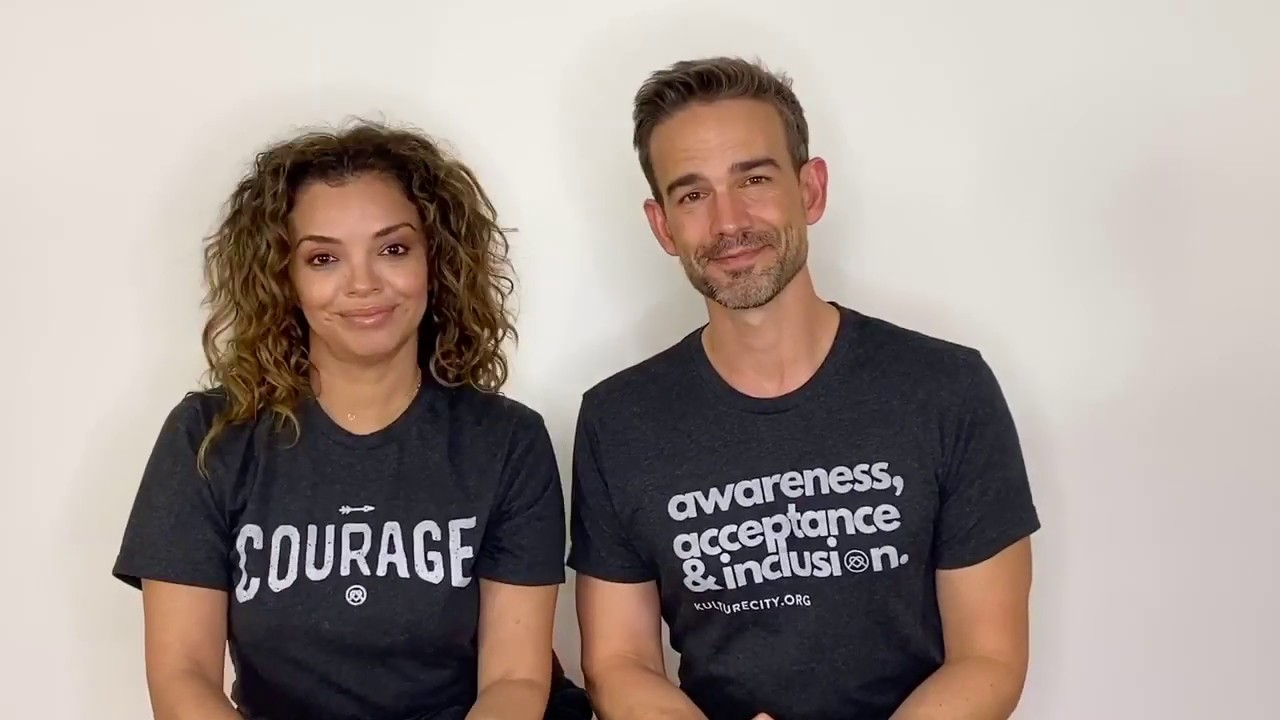

Music has a way of carrying people across borders before they ever cross them in person. It holds the memory of home while opening a door to new landscapes. Few contemporary artists embody this sense of movement as clearly as María Zardoya. Her work sits at the meeting point of cultures, languages, and emotional registers, creating songs that feel both intimate and expansive.
This story is not only about a singer finding an audience. It is about the formation of a voice that reflects migration, curiosity, and the search for belonging. The journey toward that voice was shaped by geography, by the quiet work of listening, and by the courage to step into uncertainty. Through these elements, an artist emerged whose presence feels grounded in experience rather than trend.
Early Years and the Roots of Expression
Growing up between different cultural environments leaves a lasting imprint on perception. Sounds become markers of place. Rhythms carry the texture of daily life. From an early age, music offered a way to organize emotion and memory. Songs heard at home intertwined with the melodies of new surroundings, creating a layered sense of identity.
The formative years were marked by movement. Each shift in setting demanded adaptation. Language changed. Social codes shifted. In this process, music became a stable companion. It offered continuity when other elements felt in flux. Singing, in particular, allowed emotion to surface without needing perfect words.
Listening as the First Discipline
Before learning to perform, there is the discipline of listening. Absorbing different musical traditions teaches nuance. It sharpens the ear to tone and texture. Exposure to varied styles does not dilute identity. It enriches it. By hearing how different cultures shape sound, an artist learns that expression is not a fixed formula but a living practice.
Listening also cultivates humility. It reminds the performer that each voice emerges from a broader conversation. This awareness later informs collaboration, encouraging openness rather than defensiveness.
Finding a Language for Emotion
Language is more than vocabulary. It is rhythm, cadence, and emotional framing. Navigating multiple languages can complicate self-expression, yet it also deepens it. The challenge becomes finding a musical language that holds these layers without flattening them.
Early experimentation with songwriting served this purpose. It offered a space to explore feeling without rigid expectations. Over time, patterns emerged. Certain melodic turns felt more natural. Certain lyrical images returned again and again. These repetitions were not habits. They were clues to an emerging voice.
María Zardoya and the Making of a Musical Identity
María Zardoya as a Bridge Between Cultures
The development of a musical identity often mirrors personal history. In this case, the blend of cultural influences did not resolve into a single tradition. It formed a bridge. This bridge allowed movement between moods, textures, and emotional registers without losing coherence.
Such hybridity is not accidental. It requires discernment. Choosing which elements to carry forward and which to leave behind is part of the craft. The result is music that feels rooted without being confined. It honors origins while remaining open to transformation.
The Courage to Sound Different
Standing out can be risky. Early in any career, the pressure to conform is strong. Trends promise visibility. Familiar patterns promise acceptance. Choosing a distinct voice requires confidence and patience. It means trusting that authenticity will find its audience.
This courage is often built through small acts of honesty in rehearsal rooms and writing sessions. Each time an artist resists smoothing out an edge for the sake of comfort, the voice becomes clearer. Over time, difference becomes a strength rather than a liability.
The Role of Emotional Precision
Emotional precision does not mean emotional restraint. It means clarity of intention. When a song reaches for feeling, it benefits from knowing which feeling it seeks. Precision sharpens impact. It prevents sentiment from becoming vague. Through careful attention to phrasing and tone, songs gain emotional contours that listeners can follow.
Collaboration and the Shape of Sound
No musical identity forms in isolation. Collaboration shapes sound in ways that solo work cannot. It introduces friction, and friction generates heat. In creative spaces, differences in taste and training push ideas beyond their initial limits.
Working with others teaches flexibility. It requires the ability to hold a vision while remaining open to revision. This balance strengthens the final work. It transforms individual intuition into shared language.
Building Trust in the Studio
Trust allows experimentation. When collaborators feel safe to propose imperfect ideas, innovation thrives. Mistakes become pathways rather than dead ends. Over time, this environment fosters a sound that feels cohesive without being constrained.
Trust also deepens communication. Nonverbal cues become meaningful. A raised eyebrow or a pause can redirect a session. This shared rhythm of work leaves its mark on the music, infusing it with a sense of lived collaboration.
Negotiating Creative Tension
Creative tension is not conflict for its own sake. It is the productive friction between perspectives. Learning to negotiate this tension without diluting vision is a mark of maturity. It involves listening deeply, articulating one’s own needs clearly, and finding common ground where none seemed obvious.
Performance as Presence
Performance transforms private emotion into shared experience. The stage is a place of heightened attention. Every gesture carries weight. Presence becomes a practice rather than a trait. It is built through repetition, reflection, and the willingness to be seen.
The connection between performer and audience is reciprocal. Energy flows both ways. When the performer is grounded, the audience feels it. When the audience is attentive, the performer opens further. This exchange turns songs into moments rather than mere renditions.
The Quiet Work of Preparation
Preparation is often invisible to the audience. It includes vocal care, physical grounding, and mental focus. These practices create the conditions for spontaneity. They allow the performer to respond to the room rather than cling to a script.
Over time, preparation becomes ritual. Ritual steadies nerves and centers intention. It reminds the performer of why the work matters beyond applause.
Vulnerability on Stage
Vulnerability is not exposure without boundaries. It is selective openness guided by respect for self and audience. When vulnerability is grounded, it invites empathy rather than spectacle. Listeners sense when emotion is offered honestly. This honesty deepens connection and leaves a lasting impression.
The Craft of Songwriting
Songwriting is both architecture and breath. Structure gives form. Breath gives life. Balancing these elements requires patience. Drafts evolve through revision. Lines are tested against melody. Meaning sharpens through iteration.
The most resonant songs often begin with simple questions. What am I trying to say. Why does it matter. Who am I speaking to. These questions guide choices and prevent drift. They anchor creativity in intention.
Images That Carry Feeling
Strong images carry emotion without explanation. They allow listeners to enter the song through their own experiences. Specificity paradoxically creates universality. A small, concrete detail can open a wide emotional field.
This approach respects the intelligence of the listener. It avoids overstatement. It trusts that feeling will find its way through suggestion rather than insistence.
Editing as an Act of Care
Editing is not erasure. It is care for the song’s clarity. Removing excess allows the core to speak. This process can be difficult, especially when lines carry personal attachment. Yet restraint strengthens resonance. It creates space for the listener to meet the work halfway.
Navigating Growth Without Losing the Core
Artistic growth brings new tools and perspectives. It also brings the risk of dilution. Staying connected to the core impulse behind the work protects coherence. Growth then becomes expansion rather than replacement.
This balance requires reflection. Periodic return to earlier work can reveal patterns of intention. These patterns act as compass points. They guide exploration without imposing rigidity.
Change as Continuity
Change does not negate continuity. It reframes it. New influences enter the sound, but the emotional logic remains recognizable. Listeners sense this continuity even as the surface evolves. It is the difference between development and drift.
The Responsibility of Influence
As visibility grows, so does influence. This influence carries responsibility. Modeling thoughtful engagement with craft and collaboration shapes the culture around the work. It encourages peers and emerging artists to value depth over speed.
María Zardoya and the Resonance of Lived Experience
María Zardoya as an Artist Shaped by Movement
Movement across places shapes sensitivity to difference. It sharpens awareness of how context changes meaning. This sensitivity enriches artistic expression. It allows songs to hold multiple emotional registers without confusion.
In this sense, the work carries traces of lived experience. It reflects the tensions and harmonies of navigating more than one home. This resonance gives the music an emotional credibility that listeners recognize, even if they cannot name it.
Belonging Without Fixity
Belonging need not be fixed to a single place. It can be relational. It can emerge in moments of connection. Music offers such moments. When a song meets a listener where they are, belonging becomes shared rather than claimed.
Memory as Creative Material
Memory shapes tone. It informs the emotional color of a phrase. Drawing from memory does not require autobiography. It requires attentiveness to how experience leaves its imprint on feeling. This attentiveness allows songs to feel grounded without becoming literal.
Cultural Conversation Through Music
Music participates in cultural conversation. It reflects the questions of its moment. It responds to shifts in identity, community, and belonging. When artists engage these questions with care, their work becomes part of a larger dialogue.
This dialogue does not demand answers. It invites listening. It opens space for complexity. In doing so, it affirms that art can hold contradiction without resolving it prematurely.
The Ethics of Representation
Representation carries weight. It shapes how stories are seen and whose voices are heard. Thoughtful representation resists stereotype. It honors nuance. This approach respects both the communities reflected in the work and the audiences who encounter it.
Sound as a Shared Language
Sound crosses boundaries that words sometimes cannot. Rhythm and melody communicate before analysis. This immediacy creates common ground. It allows people from different backgrounds to meet within a shared emotional field.
Conclusion
The arc of this journey reveals an artist shaped by listening, movement, and disciplined curiosity. Through careful attention to craft and a commitment to emotional precision, María Zardoya has developed a voice that feels at once personal and open to others. The work does not rush to define itself. It invites presence. In that invitation, listeners find room to bring their own histories into the sound. This mutual recognition is the quiet power of music that honors where it comes from while remaining open to where it may go.