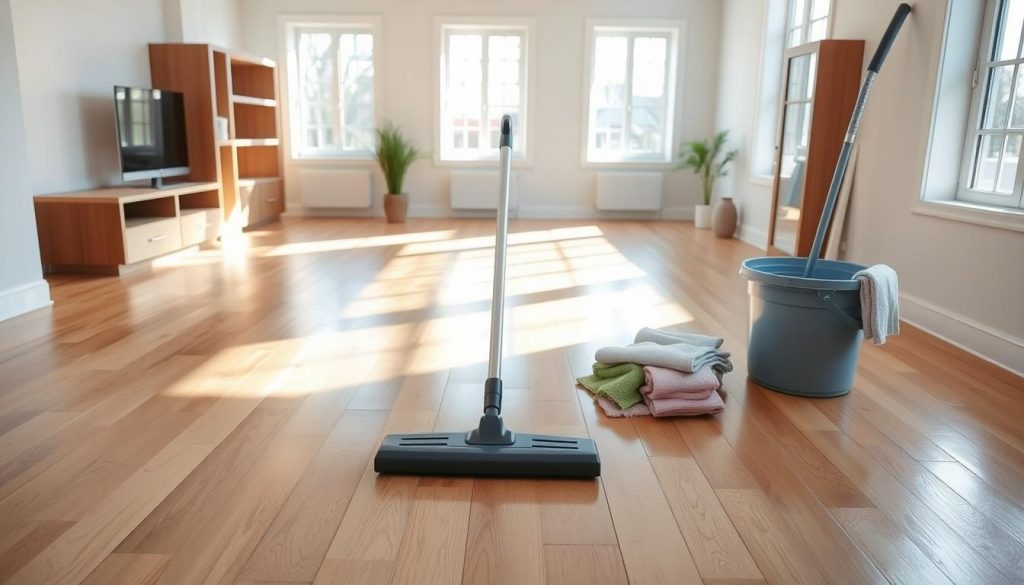
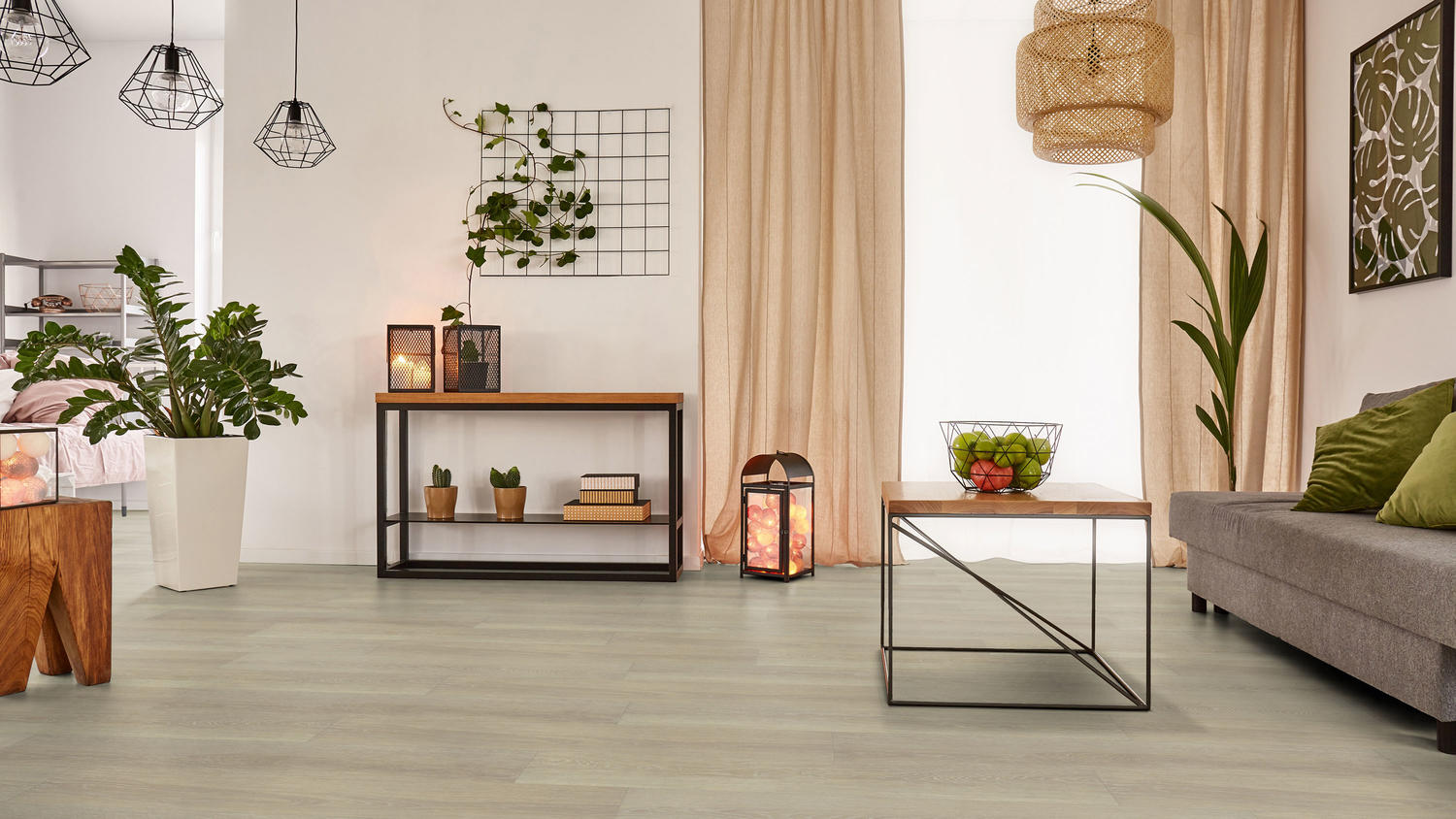
When we think about luxury interior design, our minds often jump to velvet sofas, designer lighting, or bespoke cabinetry. However, seasoned designers know that the true foundation of a high-end home, quite literally, is the flooring. The floor is the largest surface area in any room, meaning it sets the tone for everything that sits upon it. Choosing the right material isn’t just about durability or ease of cleaning; it’s about the emotional and visual weight the material carries. Whether you are building from scratch or looking to refresh an aging space, selecting the right foundation can bridge the gap between a standard “builder-grade” house and an architectural masterpiece. This process often involves more than just buying new planks; it requires a commitment to maintenance, such as sanding away deep scratches and scuffs to ensure your investment maintains its luster over the decades. By focusing on texture, scale, and craftsmanship, you can transform the very “bones” of your home.
The Return of the Earth: Why Clay-Based Tiles are the New Gold Standard
While polished marble was once the go-to for luxury, modern high-end design is leaning heavily into the “quiet luxury” of natural, organic materials like terracotta and zellige. These tiles offer a grounded, earthy aesthetic that feels timeless rather than trendy.
The Beauty of Imperfection
The most expensive-looking homes today are moving away from factory-produced perfection. Tiles like Moroccan Zellige or handmade terracotta are prized because no two pieces are identical. These subtle variations in thickness, edge shape, and color tone create a “shifting” surface that catches the light in a way that flat, machine-made ceramic simply cannot. This visual depth signals that the material was sourced from a boutique artisan rather than a big-box warehouse.
Authentic Patina
One reason clay-based tiles look so expensive is their ability to age. Unlike laminate, which looks worse as it wears, natural stone and clay develop a “patina”, a softened, lived-in glow that suggests the home has a history. Designers often recommend using large-format stone or irregular brick patterns in mudrooms and kitchens to create an immediate sense of established, old-world elegance.
The Power of Scale: Wide-Plank Wood Flooring
Wood has always been a staple of luxury design, but the specific dimensions of the wood you choose can drastically alter the perceived value of your home. The transition from narrow strips to expansive, wide planks is one of the most effective ways to modernize a space.
To truly capture the essence of a high-end estate, homeowners are moving away from the busy, cluttered look of 2-inch or 3-inch strips. Achieving this seamless look often requires a professional touch to ensure the subfloor is perfectly leveled and the transitions are flawless. Many designers recommend visiting resources like http://gartmannrenovations.com to find inspiration for integrated home updates that allow wide-plank flooring to shine alongside custom millwork. By reducing the number of seams in a room, you create a cleaner, more expansive visual field that makes even smaller rooms feel significantly grander and airier.
Selecting the Right Finish
If you want your wood floors to look expensive, skip the high-gloss “piano” finish. Modern luxury is defined by matte or natural oil finishes. These treatments allow the natural grain of the wood to remain the star of the show. A matte finish doesn’t just look more contemporary; it is also more practical, as it hides dust and minor footprints much better than a shiny surface, maintaining that “just-cleaned” look for longer.
The Richness of Darker Tones
While light oak remains popular for Scandinavian-inspired designs, deep, rich walnuts and dark oaks are making a comeback in traditional luxury. These tones provide a sophisticated anchor for a room, allowing lighter furniture and colorful artwork to pop with a gallery-like intensity.
Architectural Artistry: The Impact of Patterned Parquet
If you want your flooring to serve as a statement piece rather than just a backdrop, patterned wood is the ultimate choice for a high-end aesthetic. Patterns like herringbone and chevron have a long-standing association with European palaces and historic manor houses.
The Logic of Labor
Part of why patterned flooring looks expensive is the inherent craftsmanship required to install it. It takes more time, more precision, and more material waste to lay a herringbone floor than it does a standard straight-lay floor. Guests subconsciously recognize this level of detail as a sign of a premium interior.
Creating Visual Flow
Herringbone patterns are particularly effective in hallways and entryways. The “V” shape of the pattern acts as a series of arrows, drawing the eye forward and creating a sense of movement and “flow” throughout the house. This architectural trick makes the layout of the home feel more intentional and curated.
Tactical Texture: Soft Flooring and Natural Fibers
Luxury isn’t just about what you see; it’s about what you feel underfoot. In bedrooms and cozy lounging areas, the choice of carpet or area rugs can make or break the “expensive” vibe of the room.
The Sophistication of Sisal and Jute
Natural fiber rugs like sisal, jute, and seagrass have become the “uniform” of high-end coastal and transitional homes. These materials offer a chunky, organic texture that adds a layer of sophistication without the need for loud patterns. They work best when layered; a large sisal rug can act as a neutral base, with a smaller, plush wool or vintage Persian rug placed on top to add comfort and color.
Wool: The Sustainable Luxury
If you are opting for wall-to-wall carpeting, wool is the only choice for a high-end finish. Synthetic fibers tend to flatten and lose their luster over time, but wool is naturally resilient and has a soft, matte appearance that screams quality. Designers recommend choosing a low-pile “loop” or a subtle “Berber” weave to keep the look clean and structured rather than shaggy and dated.
Investing in the Foundation
Ultimately, making a room look expensive is less about the price tag of the material and more about the “soul” of the choices you make. By prioritizing natural materials, opting for larger scales, and embracing the character that comes with artisanal craftsmanship, you create a home that feels substantial and timeless. Remember that the floor is the canvas for your life; investing in quality today ensures a beautiful, elevated environment for decades to come.