There is a distinct difference between a house that looks like a museum and a home that feels like an invitation. Many of us spend years perfecting the aesthetic of our living spaces, choosing the right marble for the counters or the trendiest shade of sage for the walls, only to realize that when guests arrive, the atmosphere feels stiff, quiet, and a little bit awkward. The secret to a truly “perfect” space isn’t found in a showroom catalog; it is found in the invisible threads of comfort, lighting, and sound that pull people together. True interior design for socializing is about stripping away the pretension of “perfect” decor to make room for the “perfect” evening. This approach allows your home to act as a living, breathing backdrop for laughter and connection, functioning much as dream vision interiors do by prioritizing the human experience over mere visual symmetry.
Ditching the “Showroom” Stiffness for Real-Life Comfort
The most common mistake homeowners make when preparing for guests is trying to make everything look “perfect” in a way that actually discourages people from touching anything. If a room feels too precious, your guests will sit on the very edge of the sofa, afraid to spill a drink or rumple a cushion, which is the absolute death of a good party.
The Power of the “Informal”
When a space is informal, it signals to the guest that they are allowed to relax. This doesn’t mean your home should be messy; it means it should feel accessible. Avoid rigid, symmetrical furniture arrangements that feel like a waiting room. Instead, look for pieces that feel soft, lived-in, and durable enough to handle a real conversation.
Mixing Your Textures
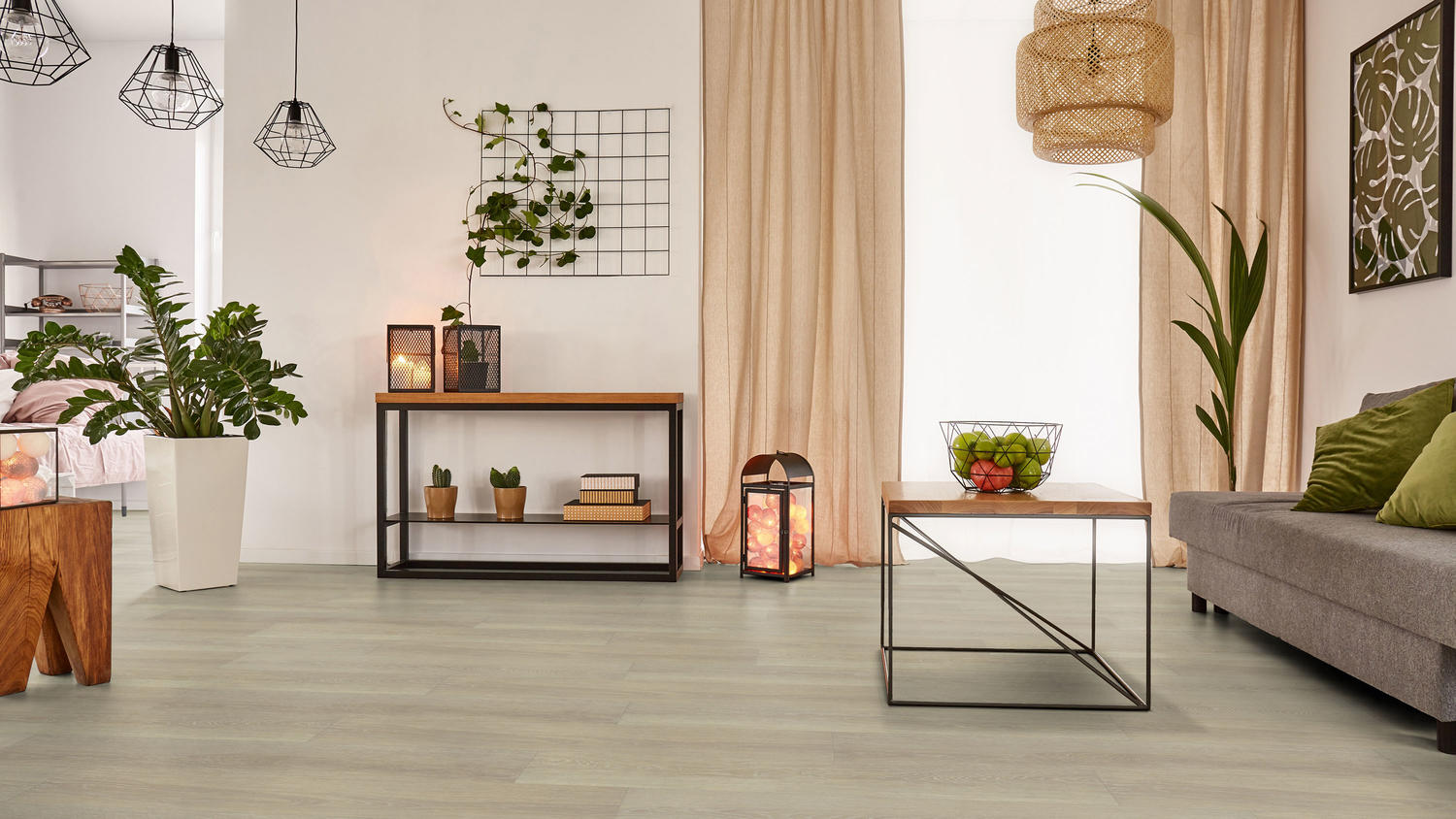
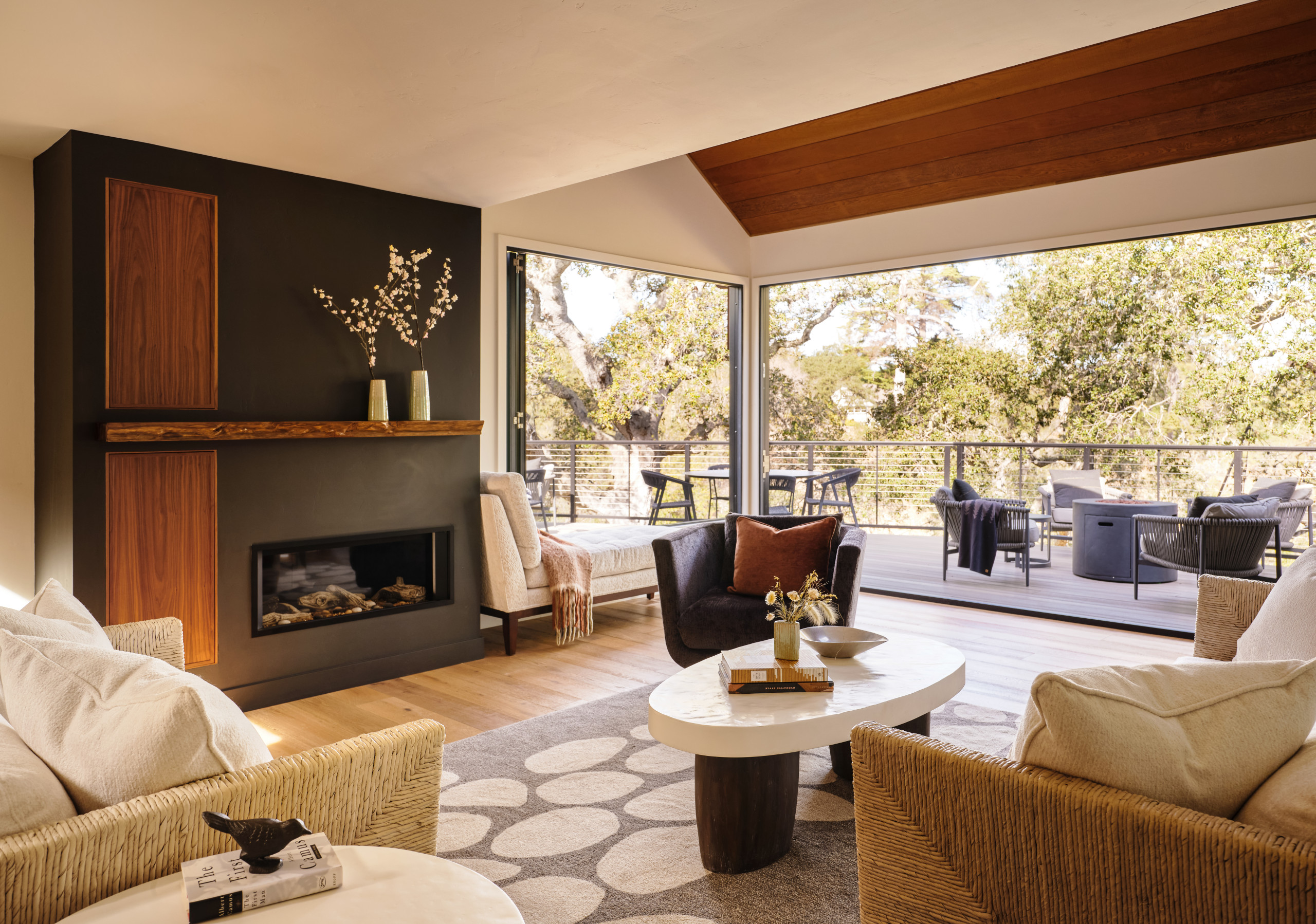
To break up the “starkness” of a room, bring in a variety of materials. A velvet sofa paired with a wooden stool and a linen throw creates a tactile environment. These layers of texture don’t just look good; they provide a physical sense of “softness” that subconsciously tells your guests they can let their guard down.
Seating Strategies: Why One Sofa Is Never Enough
When you are planning a room meant for entertaining, you have to think about how people actually move and congregate during a gathering. Relying on a single large sectional might look great for a movie night, but it’s often a disaster for a cocktail party because it forces everyone to sit in a straight line, making eye contact nearly impossible.
The Variety Act
The best social rooms utilize a “variety of seating” to create different energy levels within the same space. Incorporate a mix of:
● Deep Sofas: For those who want to settle in for the long haul.
● Formal Occasional Chairs: For guests who prefer to sit upright and engage in focused talk.
● Low Stools and Perches: These are the unsung heroes of hosting. A stool tucked under a coffee table can be pulled out instantly to turn a duo into a trio, allowing someone to “perch” without the commitment of a heavy armchair.
Creating Conversation “Clusters”
Instead of pushing all your furniture against the walls, pull it toward the center of the room to create “zones.” If you have a large living area, try creating two separate seating areas. This allows a large party to naturally break off into smaller, more intimate groups, which is where the best stories are usually told.
Managing Room Acoustics
We have all been to a restaurant where the music is so loud, and the surfaces are so hard that you leave with a headache from trying to hear the person across from you. In a home environment, bad acoustics can be a silent mood killer that makes guests feel “strange” or “on edge” without knowing why.
Dampening the Echo
Hardwood floors, large glass windows, and minimalist walls are beautiful, but they bounce sound waves around like a pinball machine. To create a “warm” sound, you need soft surfaces to absorb the noise.
● The Magic of Curtains: Thick, well-made linen curtains aren’t just for privacy; they act as acoustic panels that soften the “ping” of voices.
● Fabric Walling and Tapestries: If you really want to lean into luxury, fabric walling or large textile hangings can transform a “tinny” dining room into a hushed, high-end sanctuary.
The Role of Rugs
A high-pile rug or a layered rug setup can significantly reduce the ambient noise of footsteps and chair-scraping. When the “clatter” of a room is removed, the tone of the conversation naturally drops to a more intimate, relaxed level.
Lighting: The Secret to the “Golden Glow”
If there is one rule that every interior designer agrees on, it is that the “big light” (the overhead fixture) is the enemy of a good time. Harsh, top-down lighting creates shadows under the eyes and makes a room feel clinical, whereas low-level lighting makes everyone look and feel better.
Aim for “Underlit”
The article suggests aiming for a room that feels slightly underlit rather than over-illuminated. You can achieve this by using lamps at varying heights:
1. Floor Lamps: For mid-level light that fills corners.
2. Table Lamps: For eye-level warmth.
3. Candlelight: For that flickering, organic movement that no bulb can truly replicate.
The Designer’s Lampshade Trick
A brilliant tip from the experts is to consider the color of your light from the inside out. If your lampshades are stark white, the light will be cold. Try spray-painting the inside of your lampshades gold. This simple DIY hack ensures that every beam of light passing through the shade is infused with a warm, golden hue that mimics the “golden hour” of a sunset.
The Social Kitchen: Breaking the Rules of Dining
The way we eat with friends has shifted from formal, three-course plated service to a more fluid, communal experience. Your furniture and your serving style should reflect this shift toward “togetherness” rather than “service.”
The Power of the Square Table
While long rectangular tables are traditional, they often isolate people at either end. A square table, however, brings everyone closer to the center. It removes the “head of the table” hierarchy and leaves plenty of room in the middle for the most important part of the meal: the food.
Small Plates and Mismatched Pottery
To keep the atmosphere social, ditch the matching 24-piece China set. Using “found” items, mismatched pottery, and various serving platters creates a sense of history and personality. Serving “sharing plates” or family-style meals encourages guests to interact, passing dishes, asking for seconds, and engaging with the meal in a way that feels like a shared activity rather than a silent ceremony.
Flexibility is the Final Ingredient
The most successful hosts are those who realize that a party rarely stays in the room where it started Design your home with the expectation that people will migrate, and make sure every room is ready to receive them.
Moving the Energy
Don’t be afraid to move your guests around. Start with drinks in a cozy “analog” living room, move to the dining room for the main event, and perhaps return to a different corner for coffee and dessert. This change of scenery keeps the evening feeling fresh and prevents that “stuck” feeling that can sometimes happen at long dinner parties.
Final Thoughts on Social Design
At the end of the day, the “perfect” space for socializing reflects the people inside it. It’s a mix of comfortable chairs, warm golden light, soft acoustics, and a layout that encourages you to lean in and listen. By focusing on how a room feels rather than just how it looks, you turn your home into a sanctuary for friendship. When you prioritize the comfort of your guests over the rigid rules of design, you create a space that isn’t just beautiful, it’s unforgettable.