
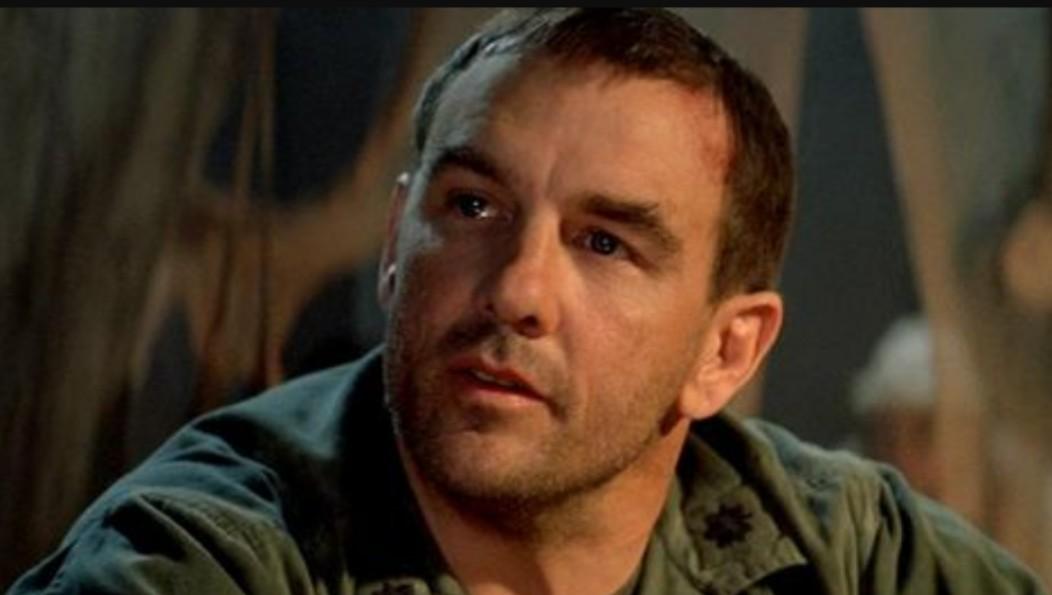
John Diehl is a name that may not immediately ring bells for every moviegoer, yet anyone familiar with American film and television over the past four decades has likely seen his work. As a versatile character actor, Diehl’s presence has shaped countless stories across stage, screen and television. He brings depth to roles that might seem ordinary on the page but unforgettable in performance. His career offers a rich example of a life devoted to craft, resilience and continual artistic growth.
The Life and Beginnings of John Diehl
John Diehl was born John Henry Diehl on May 1, 1950, in Cincinnati, Ohio, into a devout Roman Catholic family. Raised in the Midwest, Diehl’s early years were shaped by a traditional upbringing and a strong work ethic that would serve him well later in life. After graduating from St. Xavier High School in 1968, he pursued his interests broadly, including art and theatre, before an acting class in Los Angeles sparked a new passion. Although initially drawn toward visual arts, it was this experience in acting that turned him toward the performing arts as a career.
Diehl made his onscreen debut in 1980 and quickly developed a reputation for reliable, grounded performances. What’s striking about his rise is that it was not meteoric but built on meticulous choices, hard work and a willingness to embrace roles of all sizes. From the start, he was interested in complexity, authenticity and the challenge of portraying real human experience.
From Cincinnati to Hollywood
Diehl’s career did not begin with instant success but the slow and steady climb common to many dedicated character actors. After moving to Los Angeles, he balanced odd jobs with acting classes, quickly earning roles in bit parts and guest appearances. These early roles allowed him to refine his craft. Even in smaller parts, his performances stood out. Diehl never shied from playing difficult or edgy characters, and this willingness to explore the darker corners of human nature became a hallmark of his work.
His breakout came when he was cast as Detective Lawrence “Larry” Zito on the classic 1980s crime drama Miami Vice. Though initially considered a supporting role, his work on the show earned him industry attention and introduced him to a broad audience. Diehl’s Larry Zito, often clad in a recognizable Hawaiian shirt, balanced comic relief with a grounded presence among more serious characters.
A Career Built on Range and Commitment
What truly sets John Diehl apart is the range of his performances and the breadth of his work. Over more than forty years, he has appeared in well over one hundred films and television shows, spanning genres, tones and styles. Whether portraying menacing figures, everyday professionals or troubled souls, Diehl brings nuance and humanity to his roles.
Film Highlights and Notable Roles
One remarkable aspect of Diehl’s career is his presence in many memorable films, even where his roles were not the lead. He often played supporting but pivotal characters whose brief moments left lasting impressions on audiences.
In Stripes (1981), Diehl played Howard J. “Cruiser” Turkstra, a soldier among the comedic chaos of a misfit military unit. His performance balanced humor with grounded realism, contributing to the film’s enduring popularity.
Diehl’s work expanded into dramatic territory with roles in films like Stargate (1994), where he played Lieutenant Charles Kawalsky, and Nixon (1995), in which he portrayed G. Gordon Liddy, one of the Watergate conspirators. His ability to embody complex, often morally ambiguous characters made these performances memorable.
Another notable appearance came in A Time to Kill (1996), where his portrayal of Tim Nunley added tension to a story already rich with emotional and moral complexity. This role further demonstrated his capacity for depth and subtlety in character work.
Diehl also appeared in Jurassic Park III (2001), taking on the role of Cooper, a hardened mercenary whose brief but impactful presence adds intensity to the blockbuster’s narrative. He continued to work steadily, contributing to films ranging from independent features to major studio productions.
Television and Other Mediums
While film provided a foundation, television offered Diehl a platform to continually reinvent himself. After Miami Vice, he made guest appearances on series such as The X-Files, NYPD Blue, and Friday Night Lights, each time enriching the show’s world with his presence.
Perhaps one of his most critically acclaimed television roles came on The Shield, where Diehl portrayed Assistant Chief Ben Gilroy, a character etched with moral ambiguity and political complexity. His turn in this series highlighted his ability to navigate layered personalities and tensions that defined modern television drama.
Beyond screen work, Diehl’s career branched into indie films, theater and collaborations with visionary directors who valued his capacity to anchor their projects with authenticity and emotional weight.
Artistic Identity and Professional Ethos
At the core of Diehl’s work is a commitment to craft. He has often been described as a character actor — a label that speaks to his foundational role in the worlds he inhabits, creating characters that are textured, believable and dynamic. Unlike stars who might be defined by leading roles, Diehl has built his legacy on supporting performances that are essential to the stories they serve.
An interesting aspect of his career is the way he has avoided being typecast, despite frequently portraying tough, edgy or unpredictable characters early in his career. Rather than being limited by stereotypes, Diehl used these roles as launching points to explore deeper emotional landscapes and vary his choices across genres.
His work in Land of Plenty (2004), directed by Wim Wenders, stands as a testament to his range. In this film, Diehl plays Paul, a troubled Vietnam veteran facing personal and social turmoil in post-9/11 America. Critics praised his performance for its emotional subtlety and complexity, showing a different side of his capabilities beyond genre roles.
Personal Life and Community
Off-screen, Diehl has maintained a grounded personal life. He married singer Julie Christensen in 1992, and the couple has one son. They have made their home in New Mexico, where Diehl continues to embrace both his artistic pursuits and personal passions. His long marriage and family life reveal a side of him that is devoted not only to his craft but to sustained personal relationships outside of Hollywood’s glare.
He also boxed professionally in the 1980s, participating in several matches and charity exhibitions. This aspect of his life underscores his willingness to engage with physical challenges and explore experiences beyond the acting world.
Craft, Legacy, and Continued Relevance
Over a career spanning more than four decades, John Diehl has continually found ways to surprise and engage audiences. He represents a model of consistency in an industry often defined by fleeting fame and rapid change. His filmography charts a path through American cinema and television that both reflects and shapes broader trends in storytelling and performance.
Mentorship and Influence
Younger actors and performers alike can look to Diehl’s career as an example of resilience and flexibility. Rather than seeking stardom, he focused on depth, choosing roles that challenged him and allowed him to grow. In doing so, he became a respected figure among peers — someone whose presence elevates even the most modest production.
Diehl’s work also provides insight into the role of character actors in cinema and television. These performers often form the backbone of storytelling, grounding narratives and giving texture to fictional worlds. While leading roles may draw headlines, it is actors like Diehl who create the landscapes in which stories resonate with authenticity.
Conclusion
John Diehl’s career reflects the rewarding journey of an actor who chose depth over instant fame. He has brought to life a diverse array of characters — from hard-edged authority figures to subtler, emotionally complex individuals. His work in film and television demonstrates not only technical skill but also a deep understanding of human psychology and narrative nuance.
As audiences revisit films and explore television archives, Diehl’s contributions remain compelling and essential. His story is one of artistic dedication, adaptability and the powerful impact a committed performer can have across decades of storytelling. In an industry where recognition often follows trend, John Diehl stands as a testament to the enduring value of craft, presence and unwavering dedication to the art of acting.