A smoky oven smell has a way of sneaking into everything. Your hair, your clothes, even that “fresh” batch of cookies you were excited about. The frustrating part is that many people try to fix the problem by cleaning, but a few common mistakes actually make the smoke smell stronger and harder to remove. Below are the biggest oven-cleaning slip-ups that backfire, plus what to do instead so your kitchen stops smelling like last week’s casserole disaster. Professional home cleaning services can also be a game-changer here, especially when the smell has settled in and keeps coming back, and if you want a hand from people who do this every day, http://www.phclean.net is an easy place to start.
1) Cleaning at the wrong time and baking the odor in
When an oven smells smoky, the instinct is to start scrubbing immediately. That’s not always the best move. Cleaning while the oven is still warm, or turning it on “to dry it faster,” can amplify odors and push them deeper into insulation, vents, and even nearby cabinets.
Let the oven cool completely before anything else
Give it time. Heat makes grease and burned residue release more volatile compounds, which is basically odor fuel. Cool surfaces are easier to clean thoroughly, and you won’t accidentally spread half-melted grime around.
Ventilate before you scrub
Open windows, run the range hood, and if you have a fan, aim it outward. This reduces the concentration of odor in the air, so you are not working in a cloud of smoke smell that keeps resettling on surfaces.
2) Using too much cleaner and creating a chemical “smoke” effect
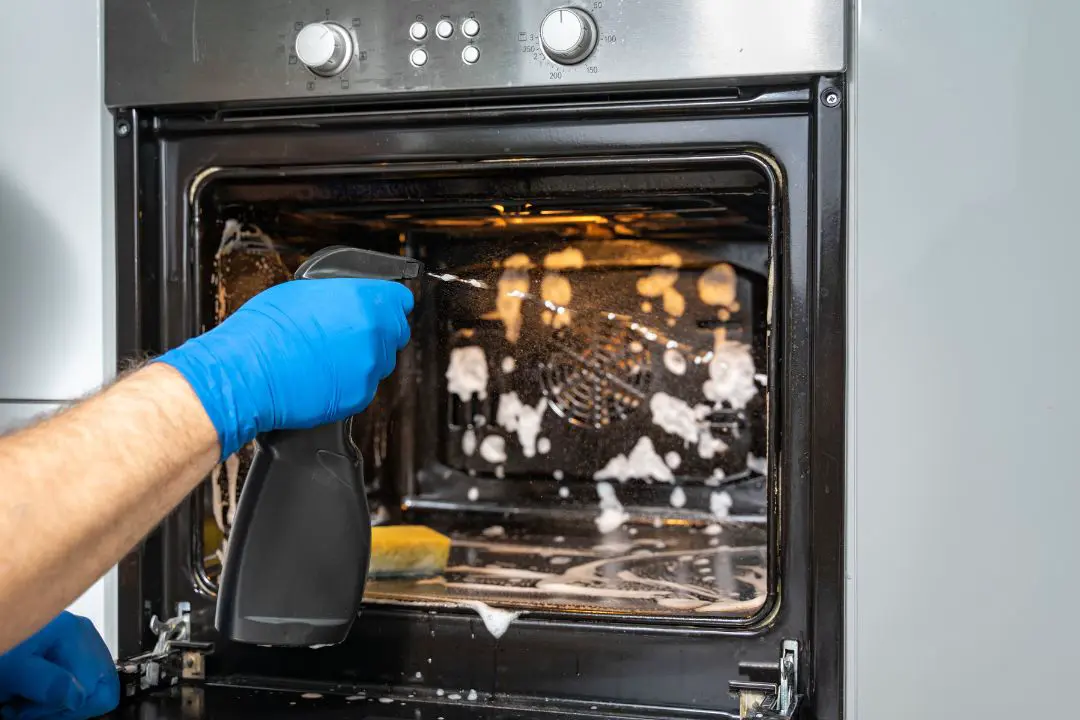
More product feels like it should mean more cleaning power. In ovens, it often means more fumes and more lingering smell. Overusing commercial oven sprays can create a harsh odor that mixes with old grease and makes the kitchen smell even worse than before.
Avoid heavy-handed oven spray use
If you use an oven cleaner, follow the directions exactly and do not reapply repeatedly in the ըsame session. Too much residue can remain in corners and seams, and the next time you preheat, that leftover cleaner can heat up and smell like smoke or chemicals.
Rinse until there’s no slickness
A quick wipe is not enough. Use clean water and a fresh cloth, changing the water often. Any remaining film can burn off later and reintroduce the problem.
3) Scrubbing the wrong areas and ignoring the real odor sources
People often focus on the oven floor and the door glass, but the worst smells can come from hidden spots you barely notice. If you miss them, the odor returns the next time you cook.
Don’t forget the racks and rack rails
Racks collect grease that carbonizes over time. If you only wipe them, you may remove surface dirt but keep the baked-on layer that smokes later. Racks usually do best with a soak and patient scrubbing.
Check the door seal area
Crumbs and grease love to hide where the door closes. That thin line of gunk can produce a surprising amount of stink.
Clean the oven’s vent openings carefully
Depending on your oven type, vents can trap oily dust and smoke residue. If you are unsure what’s safe to access, this is where professional home cleaning services are helpful because they know how to clean thoroughly without damaging components.
4) Running the self-clean cycle at the worst possible moment
Self-clean sounds like a miracle, but it can be a smell monster. It heats the oven to extremely high temperatures, turning residue into ash. That process can release strong odors that drift through the house.
Don’t use self-clean when there’s heavy grease build-up
If there’s a lot of grease, self-clean can produce intense smoke and a stubborn burnt odor. In extreme cases, it can even be a fire risk. A manual clean first is safer and often reduces the smell dramatically.
Time self-clean strategically
If you do use it, do it when you can ventilate aggressively. Open windows, run fans, and plan not to cook immediately afterward.
Fun fact: Some ovens reach around 900°F during self-clean, which is hot enough to turn stuck-on spills into ash but also hot enough to make leftover grease smell unbelievably strong.
5) Mixing DIY ingredients that react badly with residue
DIY methods can work, but certain combos can create weird smells or spread grime. For example, using too much vinegar after baking soda can turn a paste into a thin foamy liquid that runs into seams and makes odor removal harder.
Use baking soda paste the right way
Baking soda works best as a thick paste that sits for hours, loosening grime so you wipe it away instead of smearing it around. If it’s sliding off the walls, it’s too wet.
Don’t create a scented cover-up
Strongly scented cleaners, essential oils, or lemon sprays can mix with smoke odor and create a confusing “burnt perfume” effect. Neutral and clean beats masked every time.
6) Forgetting the kitchen surfaces that absorb odor
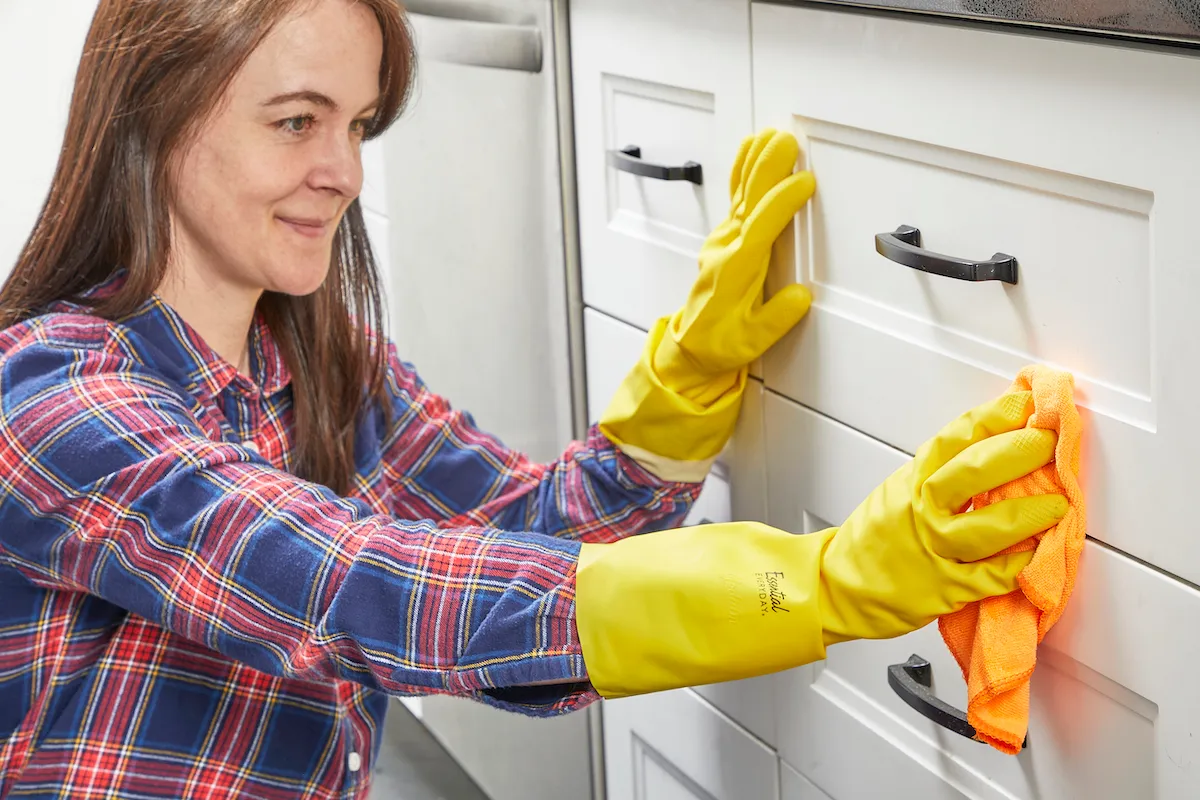
Even if you clean the oven perfectly, smoke smell can cling to nearby surfaces. Grease aerosols and odor particles settle on cabinets, backsplash tile, walls, and even light fixtures.
Wipe the surrounding zone
You don’t need to deep-clean the entire kitchen, but hit the high-impact areas: cabinet faces near the oven, the handle pulls, the backsplash, and the range hood filter if you can remove it.
Wash the oven mitts and nearby textiles
Oven mitts, dish towels, and even curtains can hold onto smoke smell and re-release it when the kitchen warms up.
7) Skipping the “test heat” step and being shocked later
After cleaning, many people immediately cook something at high heat. If any cleaner or loosened grease remains, that first bake can reintroduce smoke smell and make you think your cleaning did nothing.
Do a short, low-heat test run
Warm the oven at a low temperature for 10 to 15 minutes while ventilating. If there’s still an odor, it’s easier to pinpoint and address before you commit to a full meal.
When it’s time to call professional home cleaning services
Some ovens develop a smell that just keeps returning, especially if grease has built up for months or years. Professional home cleaning services are worth it when you want a deeper reset without harsh trial-and-error. They can tackle the oven interior, racks, door edges, and the surrounding kitchen surfaces that quietly keep the smell alive, andmymaidservice.net/ is one option people often turn to when they want the job done properly.
A properly cleaned oven should smell like nothing at all. Once you avoid the common mistakes, that smoky odor stops being a recurring guest, and your kitchen goes back to smelling like dinner, not damage control.