
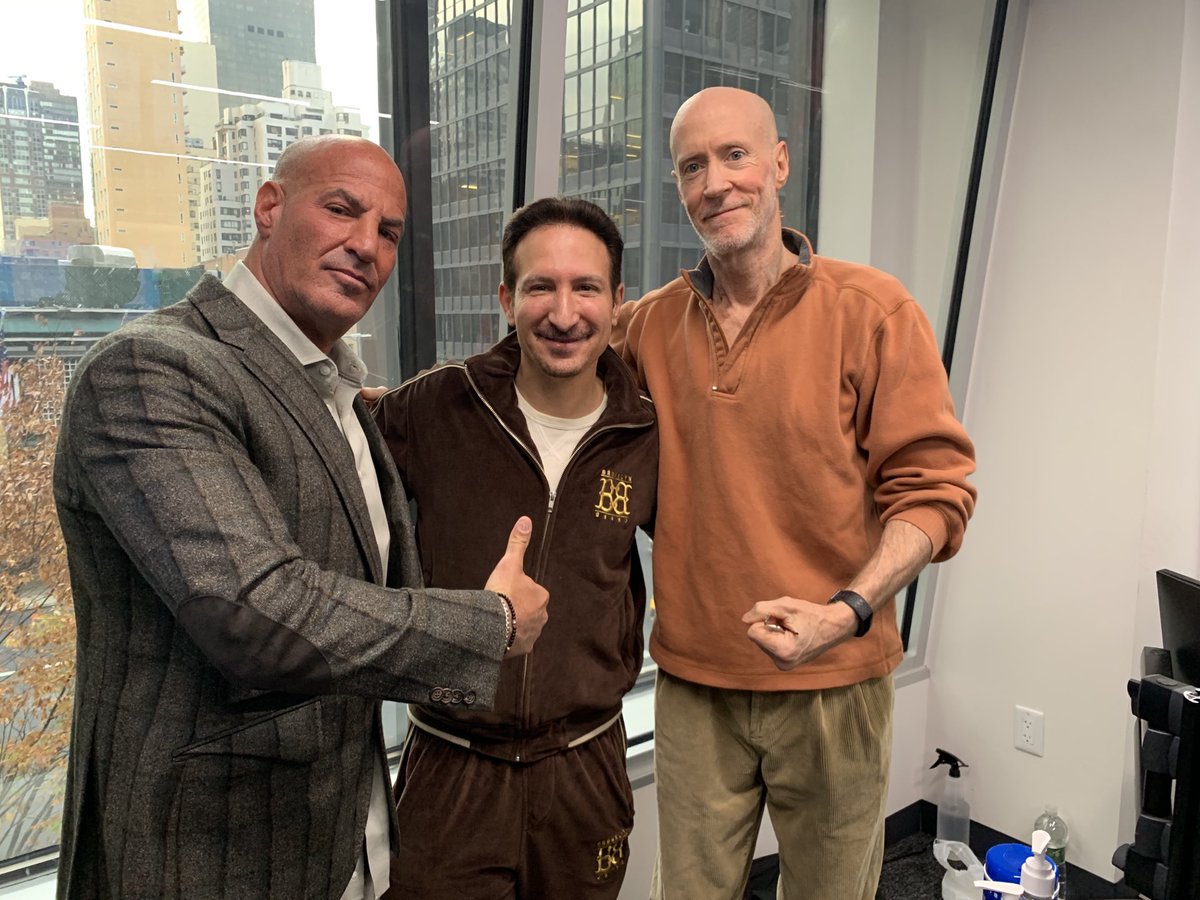
In modern American radio, few personalities provoke as strong a reaction as sid rosenberg. Loved by some, criticized by others, and rarely ignored, he represents a style of broadcasting that blends raw opinion, sharp humor, and deeply personal storytelling. His career is not a smooth upward line but a series of peaks, setbacks, and comebacks that together form a compelling narrative about ambition, failure, and persistence in the public eye.
Radio has always been an intimate medium, and Rosenberg understands this instinctively. He speaks as if the listener is sitting across from him, sharing a coffee and an unfiltered conversation. That sense of immediacy has become one of his defining traits and a key reason why his voice continues to resonate with a loyal audience.
Early Life and the Road to Radio
Every media career begins long before the microphone is switched on. Rosenberg grew up in an environment where sports, debate, and personality-driven conversation were part of daily life. These early influences shaped his natural inclination toward commentary rather than quiet observation.
He was never the type to blend into the background. Even before entering broadcasting, he showed a tendency to speak his mind, sometimes at the cost of comfort or approval. That trait would later become both his greatest strength and his most persistent challenge.
Discovering the Power of Voice
Radio offered something television could not: freedom. With no camera involved, expression depended entirely on tone, timing, and language. Rosenberg gravitated toward this space because it rewarded authenticity, even when that authenticity was rough around the edges.
Early opportunities allowed him to experiment with different formats and styles. Sports talk, in particular, became a natural home. It combined passion, competition, and strong opinions, all areas where he felt comfortable pushing boundaries.
The Rise of Sid Rosenberg in New York Radio
Breaking through in a competitive media market is never easy, especially in New York. Yet sid rosenberg managed to carve out a recognizable presence by leaning into his personality rather than sanding it down. He did not aim to sound polished or universally agreeable. Instead, he focused on sounding real.
Listeners quickly learned what to expect. Shows were energetic, unpredictable, and often emotionally charged. Humor sat alongside frustration. Personal stories appeared next to sharp criticism. This blend created an atmosphere that felt unscripted and alive.
Audience Connection and On-Air Chemistry
One of the most important factors in Rosenberg’s rise was chemistry. Whether paired with co-hosts or interacting with callers, he thrived on exchange. He listened just enough to respond with impact, often steering conversations into unexpected territory.
This chemistry helped build a strong listener base. People tuned in not only for sports commentary or news reactions but for the personality driving the discussion. The show became less about topics and more about perspective.
H2: Sid Rosenberg and the Art of Polarizing Commentary
At the center of Rosenberg’s public identity lies his willingness to polarize. sid rosenberg does not aim for the middle ground. He embraces strong positions, knowing full well they will divide audiences. For him, indifference is the real enemy.
Polarization in media often brings criticism, and Rosenberg has faced plenty of it. Statements sparked backlash. Opinions drew headlines. Yet this tension also fueled relevance. In a crowded media landscape, standing out often requires risk.
Freedom of Speech Versus Responsibility
A recurring theme in discussions about his career is the balance between free expression and responsibility. Rosenberg has argued that radio should be a space for honesty, even when that honesty is uncomfortable. Critics counter that public platforms carry obligations beyond personal expression.
This debate has followed him throughout his career. Rather than resolve it, Rosenberg seems to accept it as part of the job. The friction itself becomes a driving force, shaping both content and public perception.
Personal Struggles and Public Consequences
Behind the microphone, Rosenberg’s life has not been without turmoil. Personal struggles, particularly those involving addiction, intersected with his professional world in very public ways. Mistakes were made, consequences followed, and opportunities were lost.
For many media figures, such moments mark the end. In Rosenberg’s case, they became turning points. Time away from the spotlight forced reflection. The absence of an audience created space for change.
The Difficult Path to Recovery
Recovery is rarely linear, especially when played out under public scrutiny. Rosenberg’s journey involved setbacks as well as progress. What made it notable was his willingness to acknowledge it openly once he returned.
Rather than hiding the past, he incorporated lessons from it into his on-air presence. This honesty added a new layer to his persona. Listeners who had once seen only bravado began to hear vulnerability as well.
Reinvention and Return to Prominence
Media careers often demand reinvention, and Rosenberg’s return demonstrated an understanding of that reality. When he re-entered the radio world, he did not pretend nothing had happened. Instead, he adjusted his approach without abandoning his core identity.
sid rosenberg returned with sharper focus. The humor remained, but it was tempered by experience. The opinions stayed strong, but they carried the weight of someone who had faced real consequences.
A Matured Voice Without Losing Edge
Maturity in broadcasting does not necessarily mean becoming softer. In Rosenberg’s case, it meant becoming more deliberate. He learned when to push and when to pause, when to provoke and when to listen.
This balance helped him regain credibility while retaining the qualities that made him distinctive. The result was a version of his on-air self that felt more grounded yet still unmistakably bold.
Influence on Modern Talk Radio
Rosenberg’s impact extends beyond his own shows. His career reflects broader trends in talk radio, where personality increasingly outweighs format. Listeners tune in for voices they recognize, not just topics they follow.
His willingness to blend personal narrative with commentary has influenced how other hosts approach their own platforms. Vulnerability, once seen as weakness, now functions as a tool for connection.
Shaping Listener Expectations
Audiences exposed to Rosenberg’s style often expect more from radio. They want honesty, conflict, humor, and humanity in equal measure. This expectation pressures broadcasters to move beyond safe scripts and into more authentic territory.
Whether admired or criticized, Rosenberg’s presence has helped redefine what success in talk radio can look like.
Public Image and Cultural Perception
Public perception of Rosenberg is complex. Some see him as fearless. Others view him as reckless. These interpretations often say as much about the audience as they do about the broadcaster.
What remains consistent is recognition. His name carries weight because it represents a clear stance. In an era where many public figures strive for neutrality, that clarity becomes memorable.
The Role of Media Amplification
Controversy thrives on amplification, and Rosenberg’s career has been shaped by it. Quotes travel quickly. Segments circulate widely. Context sometimes gets lost along the way.
Despite this, Rosenberg continues to engage rather than retreat. He responds, explains, and occasionally doubles down. This engagement keeps the conversation alive, even when it is uncomfortable.
Legacy Still in Motion
It is too early to define Rosenberg’s legacy in final terms. His career remains active, his voice still evolving. What can be said with confidence is that he has left a mark on the medium he inhabits.
sid rosenberg represents a reminder that media careers are not about perfection but resilience. They are built through risk, tested by failure, and sustained by the willingness to adapt.
Conclusion
In the end, Rosenberg’s story is less about controversy and more about endurance. He has navigated success, collapse, and renewal under the constant gaze of an audience. Through it all, he has remained unmistakably himself. That consistency, more than any single broadcast or headline, defines his place in modern radio and ensures that his voice continues to matter.