
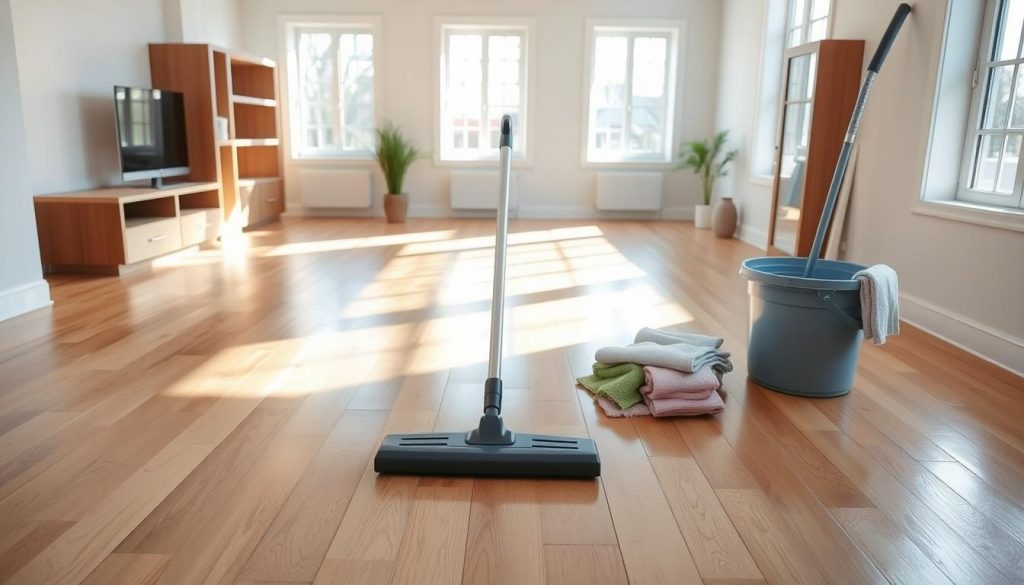
A renovation can make your home feel brand new, but the cleanup afterward can feel like the project never ended. That lingering film on countertops, the gritty “sand” on floors, and the haze that shows up again an hour after you wiped everything down is usually fine dust. It is light enough to float, small enough to hide, and stubborn enough to settle into every corner you forgot existed. The good news is that you can get rid of it fast with the right approach, and professional home cleaning services can make the whole process easier, safer, and far more thorough than a quick DIY wipe-down, especially if you want results on the level you’d expect from the best Houston house cleaning company.
Why renovation dust hangs around longer than you think
Renovation dust is different from everyday dust because it is often made of ultra-fine particles from drywall, wood, grout, concrete, and insulation. These particles can spread through the air during sanding, cutting, and demolition, then settle everywhere: inside drawers, along baseboards, on top of door frames, and even inside vents.
If you clean in the wrong order, you can end up chasing dust in circles. You wipe a surface, walk across the room, and the air movement kicks up more particles that land right back where you started. That is why strategy matters more than effort.
What makes fine dust so sneaky
Fine dust clings to surfaces through static and moisture, and it loves textured materials. Curtains, upholstery, rugs, and even the grain of wood cabinets can hold onto it.
A helpful mindset is this: post-renovation cleaning is less about “tidying” and more about removing particles from the home’s air and surfaces, from top to bottom.
The “top to bottom” method that actually works
To clean fast, you want to stop dust from re-contaminating what you have already cleaned. That means working high to low and dry to damp, then finishing with the floor.
Step 1: Start with airflow and filters
Before you touch a cloth, handle the air. Open windows if weather allows, run exhaust fans, and replace HVAC filters. If you have an air purifier, this is its moment.
If your renovation included drywall sanding, consider running the system less until you have done a first pass. Dust inside ductwork can get redistributed if the air handler is pulling it through.
Step 2: Dry dusting first, but do it the right way
A dry microfiber cloth is your best friend for the first pass because it grabs particles instead of pushing them around. Avoid feather dusters. They look satisfying, but they usually send fine dust back into the air.
Focus on:
● Ceiling corners and light fixtures
● Tops of cabinets and shelves
● Window sills and blinds
● Door frames and baseboards
Step 3: Follow with a damp wipe to capture what’s left
After the dry pass, switch to a lightly damp microfiber cloth. This is where you actually remove what the first pass loosened. Rinse or swap cloths frequently. If you keep using the same dirty cloth, you are basically painting dust across the home.
Step 4: Finish with floors, last
Floors collect everything. Vacuum first (preferably with a HEPA-filtered vacuum), then mop. If you mop first, you can create a dusty paste that dries into a dull film.
Hidden dust zones most people miss after a remodel
Even careful cleaners miss a few high-impact places. Tackling these areas is often the difference between “pretty clean” and “finally done.”
Vents, returns, and registers
Dust loves vents. Remove registers if possible, vacuum around the edges, and wipe them down. If you suspect dust got deep into the ductwork, professional advice can help you decide whether duct cleaning is necessary.
Inside drawers and cabinets
Contractors open and close drawers, dust drifts inside, and it settles quietly. Pull drawers out if you can and wipe the runners. Cabinets should be wiped inside and out, including hinges and handles.
Walls and trim
Yes, walls. If you have that mysterious grayish haze near corners, that is dust clinging to paint. Use a clean microfiber cloth and a gentle cleaner if needed. Trim and baseboards hold dust in little grooves that are easy to overlook.
Smart tools and shortcuts that speed everything up
You do not need a closet full of gadgets, but a few smart choices can cut your cleanup time in half.
HEPA vacuums make a real difference
A standard vacuum can blow fine particles right back into the room. A HEPA-filtered vacuum traps much smaller dust, which matters a lot after sanding and cutting.
Fun fact: Drywall dust is so fine that some particles can be smaller than a human hair’s width, which is one reason it drifts so easily and seems to “come back” after you clean.
Microfiber beats paper towels every time
Paper towels tend to push dust instead of grabbing it. Microfiber has tiny fibers that trap particles like a net, especially when used dry first and slightly damp second.
Change your water more than you think you need to
If your mop bucket looks cloudy, that is not “normal dirty.” That is suspended fine dust. Dump it and refill. Clean water is faster than re-cleaning the same floor twice.
When professional home cleaning services are the fastest option
If your renovation was small, you can absolutely handle it yourself with a plan. But if you renovated multiple rooms, sanded drywall, replaced flooring, or created a lot of construction debris, professional home cleaning services can save you a huge amount of time and frustration. If you’re curious where to start, take a quick look at the location details right below to see what’s closest to you:
A professional post-renovation clean is typically more detailed than a standard house clean. Pros come prepared with commercial-grade vacuums, proper filtration, and a system that targets both visible mess and the invisible dust you keep breathing in. They also know where renovation dust hides, so you do not have to discover those spots one dusty finger swipe at a time.
Many homeowners are surprised by how quickly professionals can transform a “finished but dusty” space into a home that actually feels comfortable again.
Keeping dust from returning in the first week
The final touch is preventing the slow re-settle that can happen after you think you are done. This is simple, but it helps.
Do a quick wipe cycle for 3 to 5 days
A light microfiber wipe on high-touch surfaces and a quick vacuum keeps the last lingering particles from building back up.
Replace filters again if the project was heavy
If the renovation was intense, you may want to replace HVAC filters a second time after a week or two.
Fun fact: The average person sheds thousands of skin cells per minute, which means normal household dust starts forming again immediately. Post-renovation dust just adds an extra layer you want gone first.
The real goal: A home that feels finished
Post-renovation cleaning is not just about appearances. It is about comfort. When fine dust is gone, the air feels lighter, surfaces stay cleaner longer, and the space finally matches the excitement of the renovation itself.
If you want the fastest path to that “we’re truly done” feeling, professional home cleaning services are one of the most practical upgrades you can make after the contractors leave.