Expanding your home is one of the most exciting milestones a homeowner can experience. It represents growth, increased property value, and the opportunity to finally have that sun-drenched home office or the sprawling primary suite you’ve always envied in magazines. However, there is a very thin line between a seamless architectural masterpiece and a construction “Frankenstein” that haunts your resale value. When discussing the art of modernizing residential spaces and creating a functional flow, the technical execution is just as important as the aesthetic choices. If the transition between the old and the new isn’t handled with surgical precision, the results can be physically and financially painful.
The Visual “Stuck-On” Syndrome
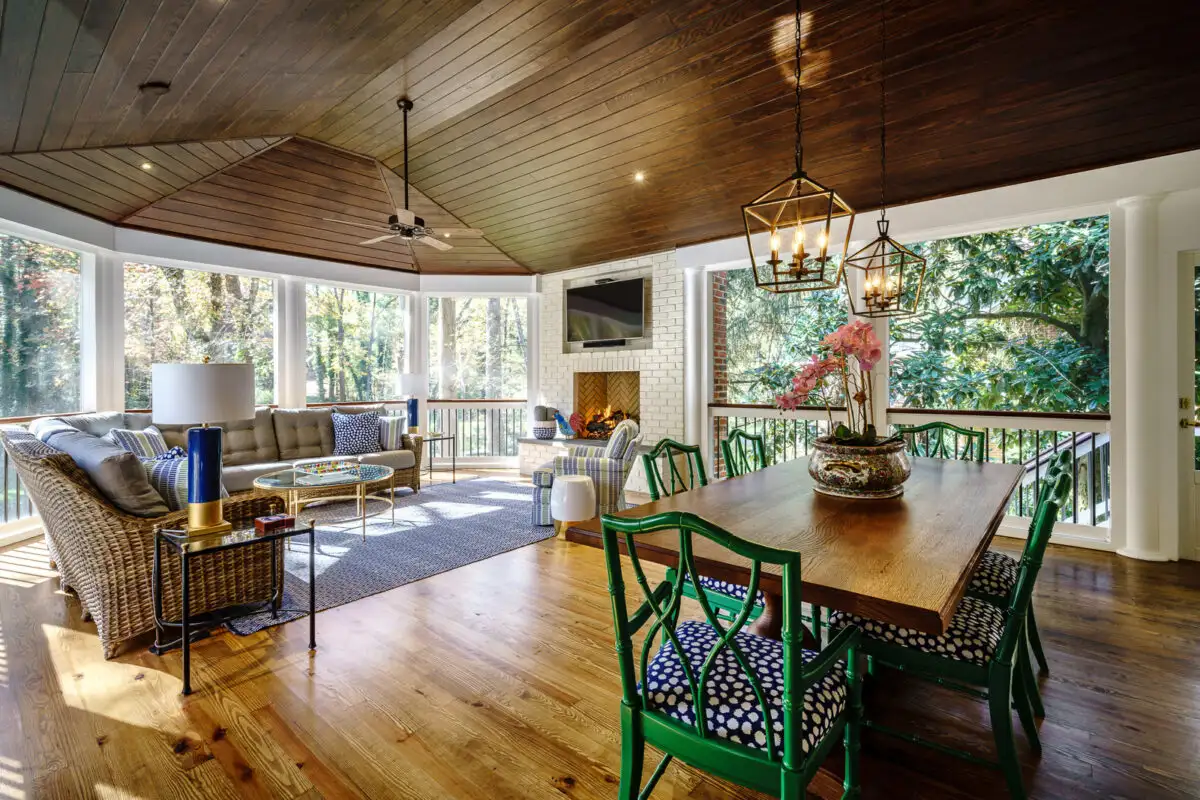
A successful addition should appear as if it were part of the original blueprint; yet, many projects fall victim to a jarring lack of architectural cohesion.
When a homeowner tries to save money by using mismatched siding or a roof pitch that doesn’t align with the existing structure, the result is a “sore thumb” effect that is visible from the street. Pros often wince at additions that ignore the “language” of the original house, such as putting modern, thin-framed aluminum windows on a classic 1920s craftsman. To avoid this, you should explore top-tier home addition designs that prioritize symmetry and material matching before the first shovel ever hits the dirt. This ensures that the new square footage feels like a natural evolution rather than an awkward afterthought.
The “Cave” Effect: Losing Your Natural Light
One of the most common oversights in home expansion is focusing so much on the new room that you completely forget about the rooms it is attached to.
Shadowing the Interior
When you bolt a new living area onto the back of your home, you are often covering up the windows and glass doors that previously provided light to your kitchen or dining room. Builders frequently see “middle rooms” become dark, gloomy boxes because the addition has effectively swallowed their only source of Vitamin D.
Strategic Sun Solutions
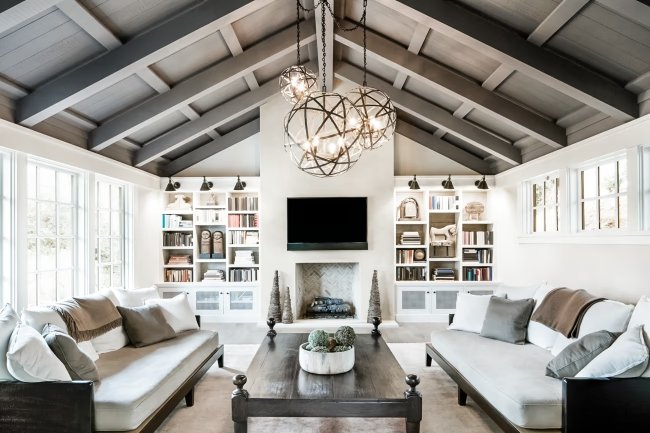
To combat this, pros recommend incorporating skylights or light wells into the addition itself. You might also consider “internal windows” or glass-paneled doors between the old and new sections. This allows the light from the new exterior walls to filter back into the core of the home, maintaining the airy feel that originally made you love the property.
The Invisible Nightmare: HVAC and Insulation Gaps
You can have the most beautiful Italian marble floors in the world, but if the room is 10 degrees colder than the rest of the house, it is a failed project.
Contractors often find that homeowners try to “stretch” their existing HVAC system to cover the new square footage without upgrading the furnace or AC unit. This leads to a pressurized system that works too hard, lives a shorter life, and fails to actually climate-control the new space. Furthermore, skipping out on high-grade insulation or vapor barriers in an attempt to cut costs will lead to drafts, cold spots, and an inevitable spike in monthly utility bills. A professional addition should be a seamless climate experience from the moment you cross the threshold.
Foundation Fails and the “Settling” Scare
The ground beneath your home is not as static as it looks, and failing to respect the soil is a recipe for structural heartbreak.
Tying it Together
One of the biggest technical errors is failing to properly “tie” the new foundation into the existing one. If the two structures are not mechanically joined and supported by a compatible footing system, they will settle at different rates. This leads to the “hairline fracture” omen, cracks appearing in the drywall at the junction point where the two buildings meet.
Water Ingress Risks
When a foundation settles unevenly, it doesn’t just look bad; it creates gaps. These gaps are invitations for groundwater to seep into your basement or crawlspace. Construction pros know that once water finds a path into the transition seam, the damage to your framing and flooring can be catastrophic and incredibly expensive to remediate.
Roofing Riddles and the “Dead Valley”
The roof is your home’s primary shield, and additions create complex junctions that are notorious for failure if not designed by an expert.
The Danger of Dead Valleys
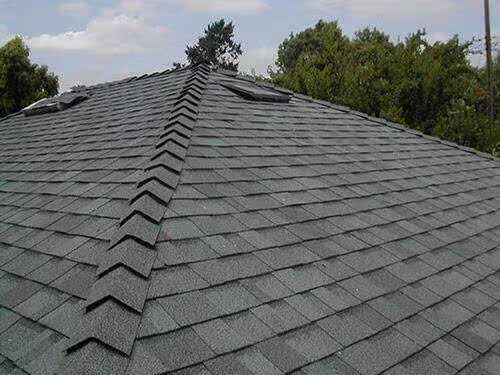
A “dead valley” is a spot where two roof planes meet in a way that creates a flat area with no natural drainage. In heavy rain or snow, water pools in these areas, eventually eating through the shingles and underlayment. Pros wince when they see rooflines that don’t account for proper water shedding, as it almost guarantees a leak within the first five years of the addition’s life.
Flashing and Flow
Proper flashing at the “tie-in” point, where the new roof meets the original wall or roof, is the most critical part of the exterior build. If this isn’t layered correctly, water will travel behind the siding and rot the wall studs from the inside out. It’s a “hidden” snag that often isn’t discovered until the smell of mold permeates the new drywall.
Sound and Subfloor Sabotage
The way a room sounds is a major indicator of construction quality, yet it is often ignored during the budgeting phase.
There is a specific “hollow” sound that occurs when an addition is built with cheap subflooring or lacks proper acoustic insulation. Walking from the solid, silent floors of an original 1950s build onto a bouncy, creaky addition floor is a jarring experience. Professionals recommend using thick, high-quality plywood and sound-dampening underlayment to ensure the new wing feels as substantial and permanent as the rest of the house.
The Path to a Wince-Free Addition
In the end, the difference between a nightmare and a dream addition comes down to the details that you can’t see once the paint is dry.
While it is easy to get caught up in choosing paint colors and light fixtures, the structural integrity and architectural flow are what truly define the success of a project. By respecting the original footprint, investing in the “invisible” mechanics like foundation ties, and ensuring the roof sheds water effectively, you can create a space that adds genuine value. A great home addition shouldn’t just provide more room; it should make the entire house feel better, brighter, and more complete than it was before the first brick was laid.