
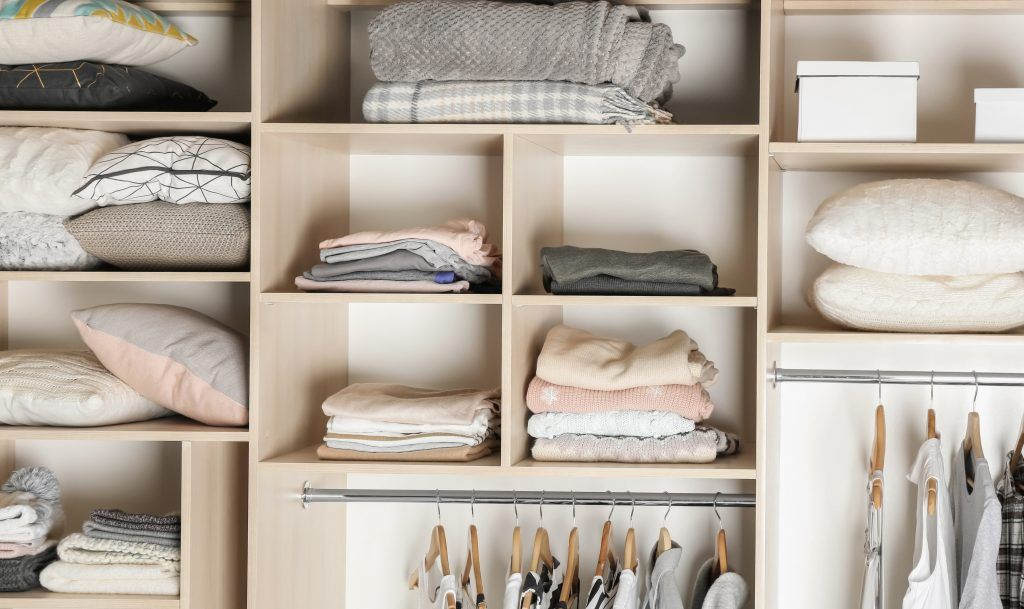
Life gets busy fast, and the mess tends to show it. The good news is you do not need a total makeover, a new set of bins, or a color-coded label maker to feel calmer at home. What you need is a handful of repeatable habits, a few smart storage choices, and a plan that matches how you actually live. Somewhere between “perfect showroom” and “total chaos” is the sweet spot most people want, and it is absolutely doable with practical solutions for tidier spaces when you focus on what creates the clutter in the first place.
Start With a Quick Clutter Audit
Before you start scrubbing or buying organizers, take ten minutes to identify what is getting in your way. Clutter is usually a symptom of a missing system, not a lack of effort. You are not “bad at keeping things tidy.” You probably just do not have a simple default for where things go.
Find Your Top Three Hot Spots
Walk through your home and pick the three areas that collect clutter most often. Common ones include the entry area, kitchen counters, and the chair that becomes a laundry magnet. Take note of what builds up there.
● Shoes and bags by the door
● Paper piles on the counter
● Random items with no “home”
● Laundry that never makes it to a basket
When you know what gathers, you can design a system that prevents it.
Decide What “Tidy” Means to You
Tidy does not have to mean minimal. It can mean clear surfaces, easy walkways, and not needing a frantic clean before guests arrive. Choose a definition that feels realistic, then build toward that.
Use the Two-Minute Reset Rule
One of the easiest ways to keep a home under control is to stop mess from stacking up. The two-minute reset rule is simple: if it takes two minutes or less, do it now. This is how you avoid ten tiny tasks turning into a weekend-long burden.
Examples That Pay Off Fast
Try applying the two-minute rule to a few repeat offenders.
● Put shoes in a designated spot instead of “just for now”
● Rinse and load a dish instead of leaving it in the sink
● Hang a jacket instead of draping it over a chair
● Toss junk mail immediately, or place it in one paper tray
The point is not perfection. It is momentum.
Pair It With a Daily Micro-Reset
Pick one consistent time each day for a five-minute reset. It could be right after dinner or before bed. Keep it short on purpose. When it is small, you actually do it, and the home stays easier to manage.
Make Storage Match Real Life
Storage fails when it is designed for an ideal version of you. The best systems support your habits instead of trying to change them overnight. Think “easy return” and “visible enough to remember.”
Keep Everyday Items in the Right Zones
Place items where you naturally use them, not where you think they should go.
● Cleaning wipes where you actually wipe things down
● Extra trash bags at the bottom of the bin
● Lunch gear near where you pack food
● Phone chargers where you sit most often
This reduces friction, which reduces mess.
Choose Containers That Do the Work For You
Good storage is not complicated. It is about removing steps.
● Open-top baskets beat lidded boxes for daily stuff
● Clear bins help you remember what you own
● One dedicated drop zone prevents piles everywhere else
● A small bowl for keys saves time and stress
If a system requires you to open three lids and stack two bins, it will not survive a busy week.
Create a Countertop Strategy That Looks Better Immediately
Counters get messy because they are convenient. The goal is not empty counters, but intentional counters. Once you decide what is allowed to live there, the space looks cleaner even on normal days.
Pick a “Live Here” List
Choose a small number of items that can stay out. Everything else gets a home.
● Coffee maker and kettle
● One utensil crock
● A small fruit bowl
● One paper tray
Anything that does not earn its spot should be stored away.
Build a Simple Paper Routine
Paper clutter is sneaky. Deal with it before it becomes a stack you avoid.
● One tray for “needs action”
● One folder for “save”
● One bin for “recycle”
Process it once a week. Ten minutes is enough when it is contained.
Tackle Laundry Without Letting It Take Over
Laundry becomes overwhelming when the process has too many decisions. Make it boring and predictable. A simple routine beats a perfect one that only happens monthly.
Reduce Sorting and Reduce Stress
If sorting is your bottleneck, simplify it.
● Two-basket system: lights and darks
● One-basket system plus color-catcher sheets
● One hamper per person, washed separately
You are aiming for consistency, not a laundry science project.
Use a “Complete The Cycle” Habit
The hardest part is not washing. It is finishing. Try this: do not start a load unless you are reasonably sure you can dry and put it away within 24 hours. This keeps laundry from becoming furniture.
If you ever want to compare different cleaning approaches and service styles, www.vprocleaningagency.com/ can be a useful reference point for how teams structure their checklists and maintenance routines.
Make Cleaning Easier With a Room-by-Room Flow
A lot of people clean by reacting to what looks dirty. That works, but it can feel endless. A better approach is a simple flow that you repeat. When you clean in the same order, you move faster and miss less.
The Top-to-Bottom, Left-to-Right Method
This method prevents rework.
1. Declutter surfaces first
2. Dust higher areas
3. Wipe surfaces
4. Clean glass and mirrors
5. Finish with floors
Once you do it a few times, it becomes automatic.
Keep a Small “Grab and Go” Kit
If supplies are scattered, you delay. Make a small kit you can carry.
● All-purpose spray
● Microfiber cloths
● Glass cleaner
● Scrub sponge
● Disposable gloves
Keep it where you can access it easily. The less effort it takes to start, the more often you will follow through.
Keep It Tidy With Weekly Anchors
A tidy home is rarely about one big cleaning day. It is about small anchors that hold the week together. When you set a few repeating routines, you stop relying on motivation.
Try the Three-Anchor Week
Pick three short anchor sessions that fit your schedule. Even 20 minutes each can make a huge difference.
● One session for bathrooms
● One session for floors
● One session for kitchen reset and trash
These are the areas that make a home feel clean the fastest.
Use “Closing Duties” at Night
Restaurants do closing duties because it sets up the next day. Homes can too. Keep it simple.
● Clear the sink
● Reset the living room
● Put tomorrow’s essentials by the door
● Quick trash check
You wake up to a calmer space, and that changes your whole morning.
Tidiness is not a personality trait. It is the result of fewer daily decisions. When you create a home where items have clear homes, resets are short, and routines are easy to repeat, you stop feeling behind all the time. Start small, choose one hot spot, and build one system that actually fits your day. Once that clicks, everything else gets easier, and your home starts to feel like it is working with you instead of against you.