
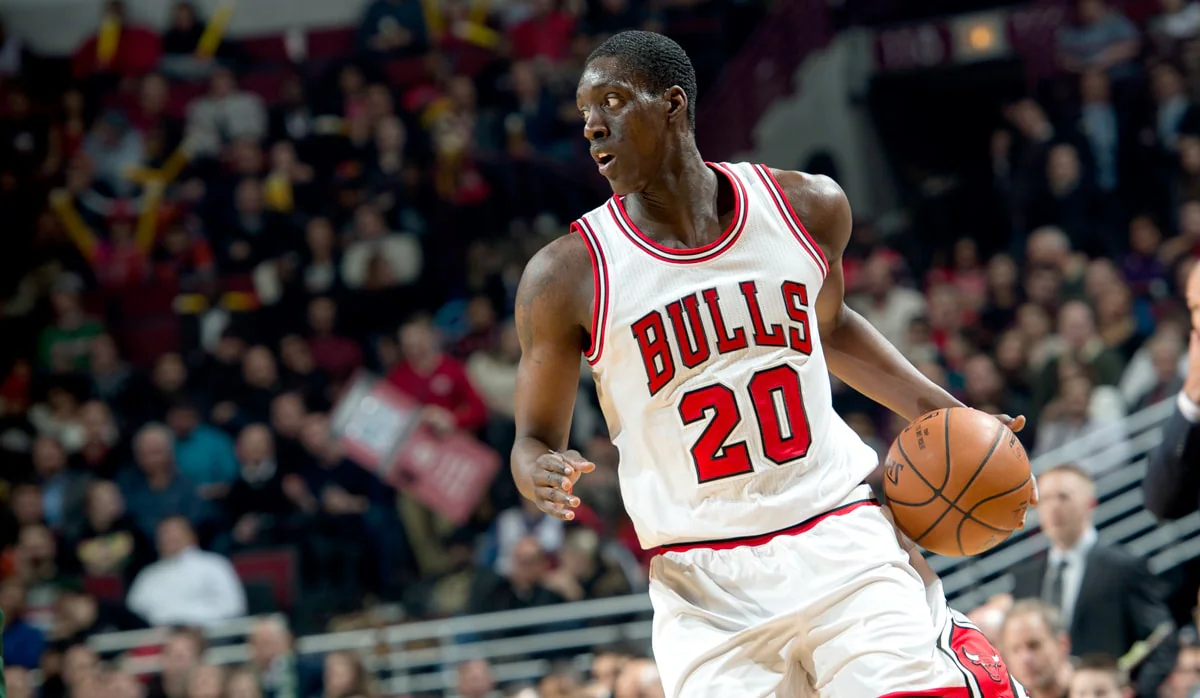
Professional basketball is often defined by headlines, highlight reels, and superstar narratives. Yet the league has always relied on a quieter class of players whose value shows up in discipline, adaptability, and consistency. Tony Snell belongs to that category. His career reflects perseverance rather than spectacle, and his journey offers insight into how sustained professionalism can shape a meaningful place in elite sports.
From his early days as a promising athlete to his years navigating the competitive landscape of the NBA, he built a reputation rooted in work ethic and composure. His story is not about overnight fame, but about earning respect over time through reliability and steady contribution.
The Professional Journey of Tony Snell
When Tony Snell entered the professional arena, expectations were defined less by hype and more by potential. Standing out for his length, defensive awareness, and shooting mechanics, he was viewed as a player who could fit seamlessly into multiple systems. Coaches value such versatility, especially in a league that constantly evolves in style and pace.
His early seasons demanded adjustment. Transitioning from collegiate basketball to the NBA requires mental and physical recalibration, and the learning curve can be unforgiving. Through rotations, trades, and shifting roles, he adapted by focusing on fundamentals. Defense, spacing, and decision-making became the cornerstones of his on-court identity, allowing him to remain valuable even as teams changed strategies.
College Foundations and Skill Development
Before the spotlight of the NBA, his college years were instrumental in shaping his approach. At that level, the emphasis was not only on athleticism but also on discipline and understanding the game. Practices refined footwork, shooting form, and defensive positioning. More importantly, they fostered patience and resilience.
Those seasons laid the groundwork for a professional mindset. By embracing coaching and committing to incremental improvement, he developed habits that would carry forward. Many players rely on natural talent alone; fewer invest equally in preparation. That balance became one of his defining traits.
Adaptability in a Competitive League
Professional basketball rewards adaptability. Lineups change nightly, and roles can shift within a single season. For players not positioned as franchise cornerstones, flexibility often determines longevity. He consistently demonstrated an ability to contribute without demanding the spotlight.
Whether starting or coming off the bench, his focus remained the same. Defensive assignments were approached with seriousness, and offensive opportunities were taken within the flow of the game. This adaptability allowed him to remain relevant in a league where roster turnover is constant.
Defensive Commitment and Team Value
Defense rarely garners the same attention as scoring, yet it forms the backbone of successful teams. His defensive commitment stood out through disciplined positioning and awareness. Rather than gambling for steals, he emphasized containment and communication.
Such an approach builds trust. Teammates rely on players who understand schemes and execute them reliably. Coaches, in turn, value athletes who can be placed in high-pressure situations without hesitation. Over time, that trust translated into consistent minutes and defined responsibilities.
The Importance of Role Players
Championship teams are built not only on stars but also on dependable role players. These individuals accept their assignments and perform them with precision. In this context, Tony Snell exemplified how embracing a role can extend a career.
Role players often face unique challenges. Recognition is limited, and mistakes are magnified. Yet success comes from focusing on controllable factors: effort, preparation, and attitude. His career underscores how mastering these elements can create lasting value.
Life Beyond the Court
Athletes are often viewed solely through their performance, but personal experiences shape perspective and resilience. Away from the arena, he became known for his commitment to family and advocacy. Balancing professional demands with personal responsibilities requires maturity, and he approached that balance thoughtfully.
This dimension of his life added depth to his public image. By speaking openly about challenges and priorities, he helped broaden conversations around mental health, family support, and understanding differences. Such openness contributes to a more human view of professional athletes.
Advocacy and Awareness
Using a platform responsibly can create meaningful impact. His willingness to raise awareness around important issues reflected authenticity rather than obligation. Advocacy, when grounded in personal experience, resonates more deeply with audiences.
Through these efforts, he demonstrated that influence is not limited to scoring averages or accolades. Impact can also be measured in conversations sparked and understanding fostered. That perspective enriched his legacy beyond statistics.
Resilience Through Change
Few professional careers unfold without obstacles. Trades, injuries, and shifting expectations test resolve. In facing these realities, Tony Snell showed resilience rooted in professionalism. Rather than resisting change, he adjusted and continued to contribute where needed.
Resilience in sports is often quiet. It appears in daily routines, recovery sessions, and film study. It manifests in staying ready for opportunities that may come unexpectedly. His career illustrates how persistence can sustain relevance even amid uncertainty.
Longevity and Professional Standards
Longevity in the NBA is earned through consistency. Physical conditioning, adaptability, and mental toughness all play roles. He maintained professional standards that allowed him to compete year after year.
Such longevity speaks to preparation. Nutrition, training, and rest become increasingly important as seasons accumulate. By respecting these aspects, he extended his ability to perform at a high level, reinforcing the value of discipline over flash.
Cultural Impact and Quiet Leadership
Leadership does not always announce itself. Some leaders guide through example rather than words. Within locker rooms, his calm demeanor and steady habits contributed to team culture. Younger players often learn as much from observation as instruction.
Quiet leadership fosters stability. It reassures teammates during adversity and reinforces accountability. By embodying professionalism daily, he influenced environments in subtle yet lasting ways.
Measuring Success Beyond Statistics
Statistics provide one lens for evaluating careers, but they rarely capture the full picture. Success can also be measured in trust earned, opportunities sustained, and respect maintained. His journey invites a broader definition of achievement.
By remaining adaptable and committed, he demonstrated that meaningful careers are built through consistency. This perspective offers valuable lessons for athletes and professionals alike.
Conclusion
In reflecting on a career defined by steadiness and purpose, Tony Snell represents the enduring value of professionalism in elite sports. His journey highlights how adaptability, resilience, and quiet leadership can shape a lasting presence in a demanding league. Rather than chasing headlines, he focused on contribution, preparation, and integrity. That approach not only sustained his career but also left an impression grounded in respect and authenticity.